
Los Angeles is losing people. That part is true.
But the way this story gets told is usually far too simple. A dramatic headline makes it sound as if the whole place is collapsing, everyone is fleeing, and the smart money has already gone. That is not the full picture.
What matters is who is leaving, why they are leaving, and just as importantly, who is still coming.
When we zoom out, the numbers tell a more nuanced story. Los Angeles County lost about 54,000 residents between July 2024 and July 2025. That is the biggest numerical county decline in the country for that period, and yes, it sounds dramatic. But Los Angeles County still has roughly 9.7 million people. That decline is a little over half a percent of the total population.
At the same time, California continues to gain residents from abroad. So the outflow is real, but the story is not one clean line headed in one direction.
We can break this into five reasons that actually explain what is happening, especially if we are trying to decide whether Los Angeles, and more specifically the South Bay, makes sense in 2026.
Table of Contents
- Reason 1: The Affordability Wall
- Reason 2: The Insurance Crisis
- Reason 3: The Hollywood Jobs Collapse
- Reason 4: What The Headlines Miss
- My Honest Verdict On Los Angeles: Is It Right For You?
- FAQ: Moving to Los Angeles
Reason 1: The Affordability Wall
The biggest reason people left Los Angeles is the most obvious one. The numbers stopped making sense.
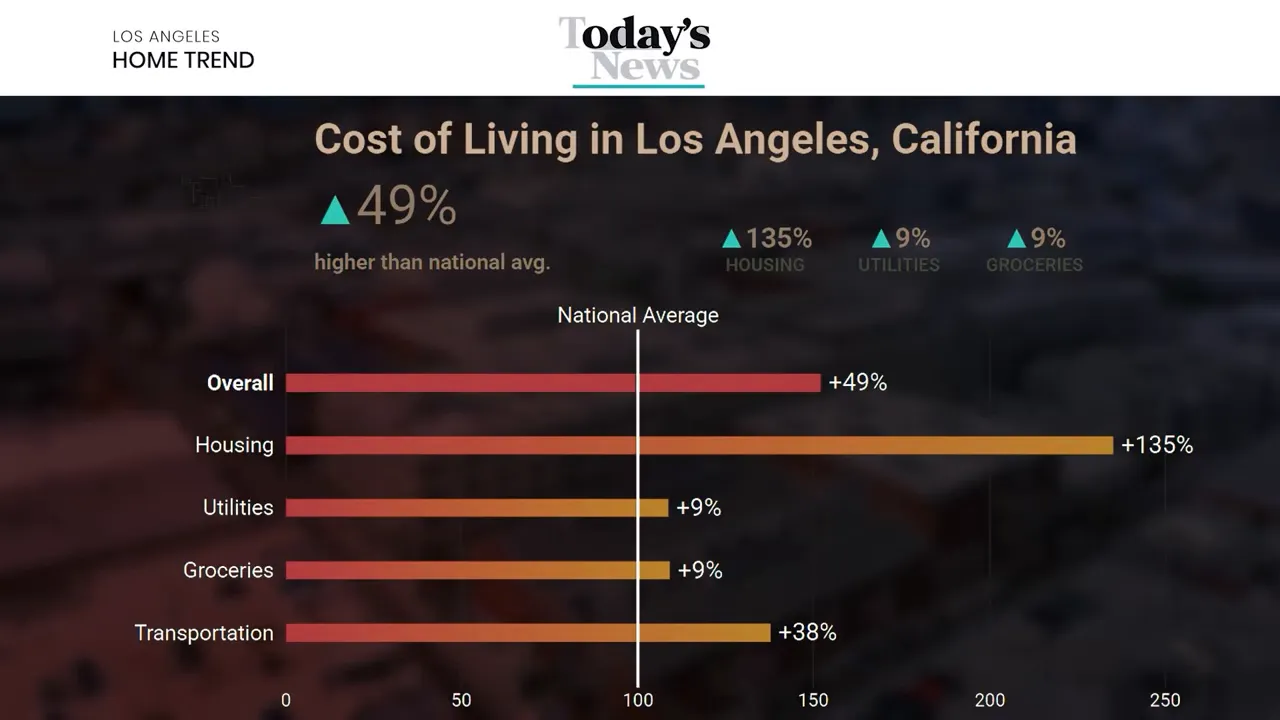
Home prices surged hard from 2020 through 2022. Across Southern California, the median home price pushed above $900,000. Living costs in Los Angeles sit far above the national average. At the ownership level, the problem gets even sharper. A household often needs more than $200,000 a year to qualify for a mortgage on an average priced home in Southern California.
This did not hit every buyer equally. It hit:
- Middle income households
- Renters trying to become owners
- Long term residents on fixed incomes
For these groups, Los Angeles did not suddenly become undesirable. It became unaffordable. There is a difference.
And when the math no longer works, moving out is not irrational. It is the rational decision.
That does not mean Los Angeles failed. It means the market is brutally honest. It tells some buyers, very clearly, that their money stretches better elsewhere.
That is especially important if we are talking about the South Bay. This area has never been a bargain market. It has always required serious income. The difference now is that buyers coming into South Bay neighborhoods tend to know that upfront. They have already run the numbers. They are not stumbling into the market and hoping for the best.
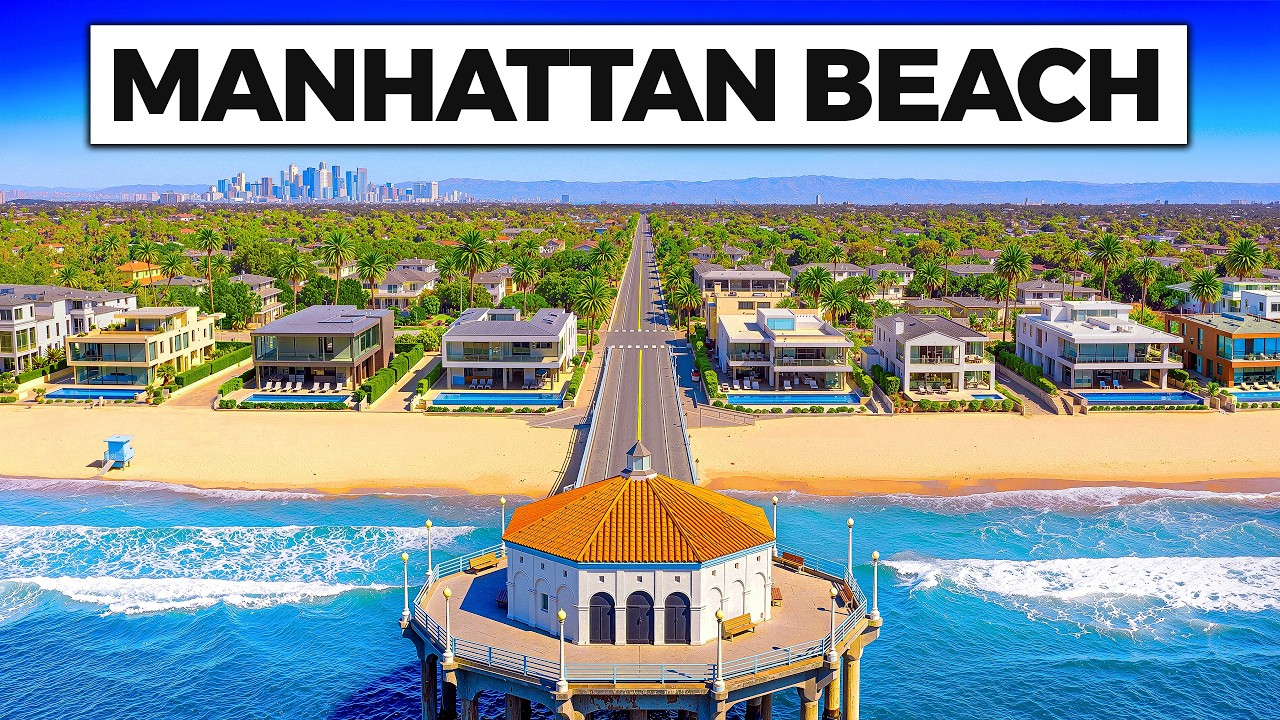
So yes, affordability pushed people out of Los Angeles. Absolutely. But for buyers whose income already fits Manhattan Beach, Hermosa Beach, Redondo Beach, Torrance, Long Beach, or Palos Verdes, the equation looks very different.
Reason 2: The Insurance Crisis
The second reason is more specific, and frankly more serious than many people realize.
Wildfires are not an abstract California talking point anymore. They are a recurring financial event. In January 2025, fast moving fires tore through parts of Los Angeles County. The Palisades fire alone burned more than 23,000 acres. Across the 2025 wildfires, lives were lost, entire neighborhoods were displaced, and thousands of structures were destroyed.
But the fire itself was only part of the problem. The bigger issue was what it exposed in the insurance market.
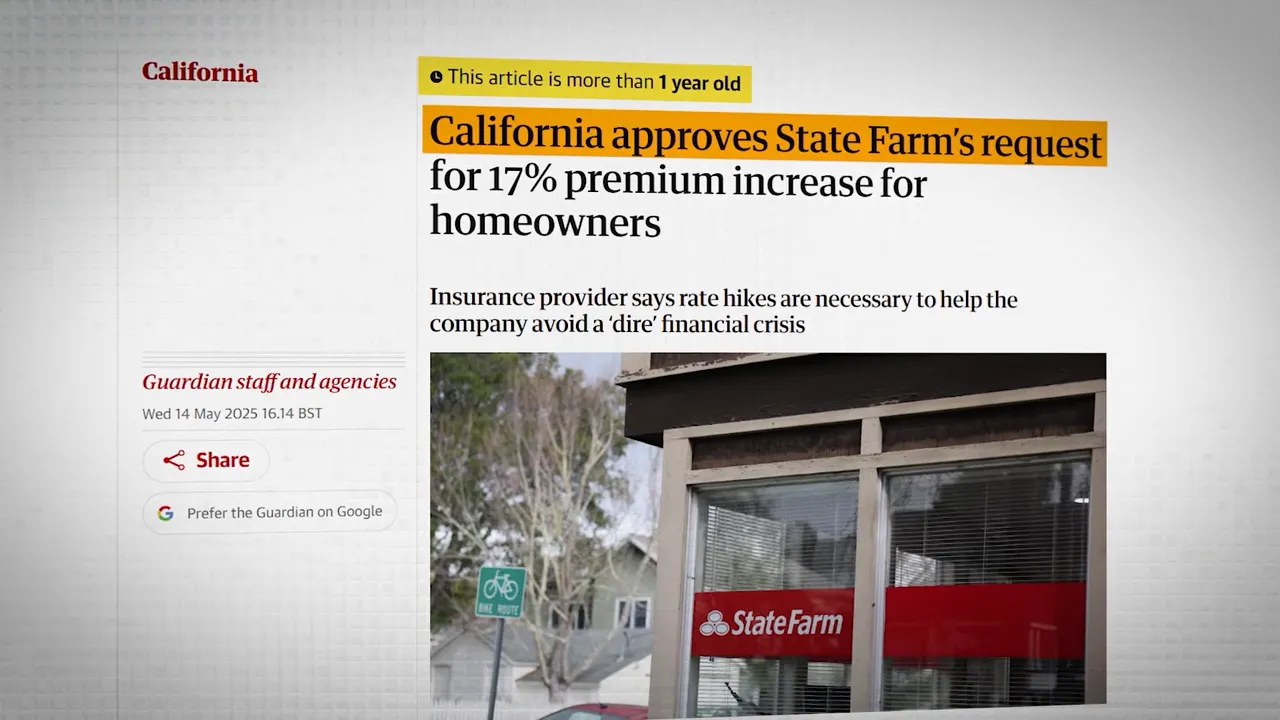
State Farm received approval to raise rates on roughly a million California homeowner policies by an average of 17 percent. Since 2019, more than 100,000 Californians have lost homeowner coverage altogether.
For homeowners in higher risk fire zones, this became a triple hit:
- Higher premiums
- Canceled policies
- The fresh memory of what happened in January 2025
That combination pushed some people to leave. Not because they hated California, but because they no longer wanted to carry that level of risk and uncertainty.
Now here is where the local context matters a great deal. The insurance conversation is not the same everywhere in Los Angeles County.
Coastal South Bay cities are generally not sitting in the same wildfire exposure profile as hillside and canyon communities farther inland. Manhattan Beach, Hermosa Beach, South Redondo, Torrance, and much of Long Beach are simply a different insurance discussion.
That does not mean we ignore insurance. We absolutely do not. Property by property, location matters. Rancho Palos Verdes can get expensive. Rolling Hills and Rolling Hills Estates deserve careful checking. But most of the coastal South Bay is much closer to normal underwriting than what we see in the highest fire risk pockets.
So yes, insurance is a real reason some people left Los Angeles. It is just not equally true in every neighborhood.
Reason 3: The Hollywood Jobs Collapse
This is the part many people in real estate and media dance around. We should not.
Los Angeles has had a genuine contraction in entertainment work. Not a blip. Not a pause. A structural change.
The county's motion picture and sound recording workforce fell from about 142,000 in 2022 to around 100,000 in 2024. That is about 42,000 jobs gone in just two years.
On location production also stayed weak into 2025. Television production remains dramatically below pre pandemic levels. The streaming boom cooled off. The expected rebound after labor strikes never really arrived the way many hoped it would. Production has increasingly shifted to places offering better tax incentives such as Georgia, the United Kingdom, and Canada.
Who gets hurt most by that?
Not just celebrities. Not just executives. We are talking about writers, directors, assistants, set builders, caterers, editors, grips, sound professionals, and all the supporting trades whose income depends on a local production ecosystem.
When the shoots go, the work goes. When the work goes, paying Los Angeles housing costs stops making sense.
That is not a verdict on Los Angeles as a city. It is a verdict on one industry changing shape.
And this is a huge distinction for South Bay buyers in 2026. Many of the people coming into the South Bay now are not entertainment workers at all. They are in aerospace, tech, healthcare, finance, and other fields that remain solid or are growing.
That is why the same Los Angeles headline can feel true in one part of the region and completely disconnected in another.
Reason 4: What The Headlines Miss
Here is where the story turns.
The headlines obsess over who left. They rarely talk about who stayed, who is still buying, and who is actually doing very well.
In the South Bay, the buyers who remain active are not accidental buyers. They are deliberate. They are financially prepared. They know exactly why they are here.
And the market fundamentals are still strong.
Manhattan Beach median home prices rose about 10 percent over the prior 12 months. Over a 10 year stretch, South Bay real estate appreciated roughly 95 percent to 115 percent depending on the neighborhood and property type.
That does not happen by accident. It is built on two durable forces:
- Limited supply because coastal geography and zoning naturally constrain new inventory
- Sustained demand from buyers who actively want this lifestyle
There is also another factor quietly propping up prices. The rate lock in effect.
A large majority of California homeowners have mortgage rates below current market rates. If someone is sitting on a loan under 5 percent, they are a lot less eager to sell and replace it with a mortgage around the mid 6 percent range. That keeps inventory tight.
And when inventory stays low in a supply constrained coastal market, prices hold up even while the headlines scream out migration.
The demand is not disappearing. It is shifting.
So who is this South Bay buyer today?
- Corporate and executive households
- People relocating for work
- Retirees looking for year round outdoor living
- Buyers with income that genuinely supports ownership here
What are they buying into?
They are buying ocean access, strong schools, proximity to major employment corridors, and a coastal lifestyle that is incredibly hard to replicate anywhere else at this latitude in the United States.
They are also buying into long term equity in one of the most supply constrained coastal markets in the country.
This is why the out migration story can be true at a county level while being misleading for a specific submarket like the South Bay.
My Honest Verdict On Los Angeles: Is It Right For You?
So is Los Angeles right for us in 2026?
The honest answer is: it depends on income, lifestyle, and time horizon.
If we are moving for the entertainment industry dream, nightlife, or the energy of central Los Angeles, then we need to be very clear about whether the South Bay is actually the right fit. It is not central LA by the beach. It is a more lifestyle driven market.
If we are coming from the East Coast, the Midwest, Texas, or another major metro, and we want ocean access, strong neighborhoods, a real coastal rhythm, and we have the income to support ownership, then the South Bay is still one of the strongest answers in the country.
Torrance can offer an entry point into the South Bay lifestyle at a lower price than Manhattan Beach or Hermosa Beach. Manhattan Beach, Hermosa Beach, and South Redondo continue to offer strong long term equity characteristics. Palos Verdes appeals to a different buyer again, often someone placing a premium on views, space, and a distinct hillside coastal environment.
If we are retirees, the South Bay has a lot going for it. Walkability in the right pockets. Outdoor access all year. A connected coastal community feel. That is real, and it matters.
If we are expecting prices to drop just because the county lost residents, we are likely to be disappointed. South Bay prices are not broadly falling. Supply remains tight. Demand from the right buyer profile remains strong.
For us, the best way to think about this is simple:
- Put income and lifestyle fit first
- Think long term, not short term
- Do not mistake county headlines for neighborhood reality
- Understand that one street can change the value equation completely
That last point matters more than most people realize. In the South Bay, prices and lifestyle can change on a street corner. One pocket gives us better walkability. Another gives us better schools. Another puts us in a stronger long term equity position. Another might fit the budget while still giving access to the beach lifestyle.
So the real question is not simply, “Should we move to Los Angeles?”
The better question is, “If we choose the South Bay, which city and which pocket actually fit the life we want and the budget we have?”
That is where the decision gets interesting, and where a lot of people either get it very right or very wrong.
The exodus headlines are not fake. People did leave. But they left for identifiable reasons. Affordability. Insurance pressure. A major employment shift in entertainment. Mismatched expectations.
At the same time, the right buyers are still arriving. They are still choosing the South Bay on purpose. And for those buyers, this market remains strong for reasons that are structural, not temporary.
That is the truth behind the headline.
FAQ: Moving to Los Angeles
Are people really leaving Los Angeles?
Yes. Los Angeles County posted a significant population decline between 2024 and 2025. But the scale is often overstated in headlines. The county still has roughly 9.7 million residents, and the decline represented just over half a percent of the population.
What is the biggest reason people leave Los Angeles?
Affordability is the clearest reason. Home prices and cost of living climbed to the point where many middle income households, renters hoping to buy, and residents on fixed incomes simply could not make ownership work.
Is the insurance crisis affecting all of Los Angeles equally?
No. Fire prone hillside and canyon areas face a very different insurance reality than many coastal South Bay neighborhoods. Insurance should always be checked property by property, but the risk profile is not the same across the county.
Has the Hollywood slowdown pushed people out of LA?
Yes, especially workers whose livelihoods depend on local production. The entertainment workforce shrank sharply, and production shifted toward other regions with stronger tax incentives. For many households tied to that ecosystem, staying no longer made financial sense.
Is the South Bay still a good place to buy in 2026?
For the right buyer, yes. If income supports the purchase, the lifestyle is a genuine fit, and the decision is long term, the South Bay still stands out because of limited supply, steady demand, and a coastal lifestyle that remains highly desirable.
Are South Bay home prices falling because of out migration?
Broadly, no. Supply remains constrained and many existing owners are holding low mortgage rates, which keeps inventory tight. That has helped support prices even while Los Angeles County has seen population loss overall.
Which kinds of buyers are still moving to the South Bay?
Many current South Bay buyers are corporate or executive households, professionals relocating for work, retirees, and buyers in sectors like aerospace, tech, healthcare, and finance rather than entertainment.
Read More: Where Ultra Wealthy Live in Los Angeles CA: Top Luxury Neighborhoods Explained