
The Los Angeles housing market has genuinely shifted, especially across the South Bay and Long Beach. This is not a crash, and it is important not to confuse a calmer market with a collapsing one. What we are seeing is a reset from one of the most frenzied seller markets in LA County history.
In 2021, LA County home sales surged 26% in a single year. Homes routinely went pending in under 30 days, often with multiple offers above asking price and contingencies waived. That environment created a belief that every home should sell instantly and every seller could name their number.
That is not how the Los Angeles housing market works today. Inventory is up, homes are taking longer to sell, and buyers can finally compare options instead of making panicked decisions. But the change is not uniform. Torrance, Manhattan Beach, Palos Verdes, Hermosa Beach, South Redondo Beach, and Long Beach are all behaving differently.
Table of Contents
- Los Angeles Housing Market Shift Explained
- Point #1: Why the 2021–2022 Market Was Unusual
- Point #2: Mortgage Rates and LA Housing Affordability
- Point #3: Why More Inventory Doesn't Mean a Crash
- Point #4: Selling in Today's Los Angeles Housing Market
- Point #5: South Bay & Long Beach Market Trends
- Point #6: Buying or Selling in the Los Angeles Housing Market
- FAQs About Los Angeles Housing Market
Los Angeles Housing Market Shift Explained
Across LA County, active listings were up nearly 15% year over year, while median days on market reached 63 days in February 2026, up from 55 days a year earlier. In the South Bay, inventory rose 46% compared with the same period last year.
That means more homes are available, fewer buyers are competing for each one, and everyone has more time to think. It is a far cry from the seven-day selling window that defined the market a few years ago.
Still, the main message is simple: this is a rebalancing. Foreclosures in Los Angeles remained around 0.2% in mid-2025. Owners generally still have equity. Prices across many South Bay communities are flat to modestly positive year over year. The frenzy has disappeared, but the fundamental appeal of coastal Southern California has not.
For buyers, the Los Angeles housing market now offers selection, inspection time, and negotiating room. For sellers, it rewards accurate pricing and excellent presentation from day one.
Point #1: Why the 2021–2022 Market Was Unusual
The 2021 and 2022 frenzy was never normal
To understand the current reset, we need to remember just how extreme the previous market was. In 2021, 30-year fixed mortgage rates hovered around 3%. Demand exploded as buyers worried they would be permanently priced out of the area.
At the tightest point in May 2022, median days on market across the LA metro reached roughly 29 days. In desirable South Bay and Long Beach pockets, quality homes could be gone within the first week.
Buyers were writing offers above list price, removing contingencies, and still losing to cash. Families relocating from outside California sometimes toured once and wrote an offer immediately because six weeks felt like an eternity in that market.
The problem is that extraordinary results became expected results. When a neighbor listed at $2.4 million and sold at $2.7 million in a weekend, that felt normal. It was not. That psychology is why some sellers are still pricing based on 2022 instead of the market in front of them.
Demand was also pulled forward. Many people who may have purchased in 2022 or 2023 bought in 2021 instead. When mortgage rates rose, the qualified buyer pool shrank quickly. LA County sales volume ended 2022 about 25% below 2021 levels.
Point #2: Mortgage Rates and LA Housing Affordability
Mortgage rates changed affordability almost overnight
The clearest trigger for the shift in the Los Angeles housing market was mortgage rates. When the Federal Reserve began raising rates aggressively in 2022, 30-year fixed mortgages moved from roughly 3% to more than 7% in less than a year.
On a $1.5 million loan, the estimated monthly payment at 3% was around $6,300. At 7%, that same loan was roughly $10,000 a month. That is not a minor adjustment. It can change whether a family considers South Redondo Beach, Torrance, or whether buying makes sense at all.
Rates around July 2026 were hovering near 6.5%. That is better than the highs, but buyers are more cautious now. They are focused on value, careful with offers, and far less willing to get emotional over a home that is slightly overpriced.
At the same time, owners with 3% mortgages were reluctant to sell and exchange that rate for one closer to 7%. That locked up inventory temporarily and helped support prices even as demand cooled. The lock-in effect is slowly easing, and supply is now building.
Point #3: Why More Inventory Doesn't Mean a Crash
More inventory does not mean a crash
For-sale inventory across the LA metro increased 28% in 2024 and another 12% in 2025. Active listings in LA County reached almost 11,000 in January 2026. This is a major change in the supply picture, but it is not evidence of distressed selling.
The practical impact is straightforward:
- Buyers have more homes to compare.
- Buyers can conduct thorough inspections rather than waive them.
- Listings sitting beyond 45 to 60 days deserve closer attention.
- Sellers must respond to feedback instead of waiting for the market to bail them out.
In Palos Verdes Estates, median days on market reached 99 earlier in 2026, with approximately 7.4 months of supply. That creates proper negotiating leverage for buyers, particularly above $4 million. In Long Beach, nearly 47% of homes had price reductions in January 2026, up from 38% a year earlier.
That does not mean every listing is discounted. Great homes in strong locations still attract serious interest. It means buyers can be selective, and sellers cannot treat an unrealistic initial price as a harmless test.
Point #4: Selling in Today's Los Angeles Housing Market
Sellers can still win, but pricing comes first
The era of listing a home on Thursday and accepting a brilliant offer by Sunday is over in most parts of the South Bay and Long Beach. Sellers can absolutely achieve a strong result, but they need to understand the local micro-market.
Torrance is a perfect example. In March 2026, homes were selling in about 32 days with 1.6 months of supply, and many were still selling over asking. Yet only 42% sold above asking, down from 55% a year earlier. The competitive buffer has narrowed.
That tells us sellers cannot pad the list price by 5% or 10% and expect buyers to close the gap. In Palos Verdes Estates, the contrast is stark. Zero percent of homes sold over asking in February 2026, compared with 20% a year earlier.
We have seen firsthand how a well-positioned property can turn around. A Hermosa Beach home that had sat unsold for 11 months with a previous agent later closed for just over $4 million. It was the same home. The difference was realistic pricing and stronger presentation.
Once a listing reaches 60 to 90 days without an offer, buyers begin wondering what is wrong with it. That perception often leads to a larger price reduction than would have been needed at launch.
Point #5: South Bay & Long Beach Market Trends
Every South Bay neighborhood is telling a different story
The Los Angeles housing market is not one market, and the South Bay is certainly not one market. In many of these communities, values and buyer behavior can shift from one street to the next.
Palos Verdes Estates and Rancho Palos Verdes
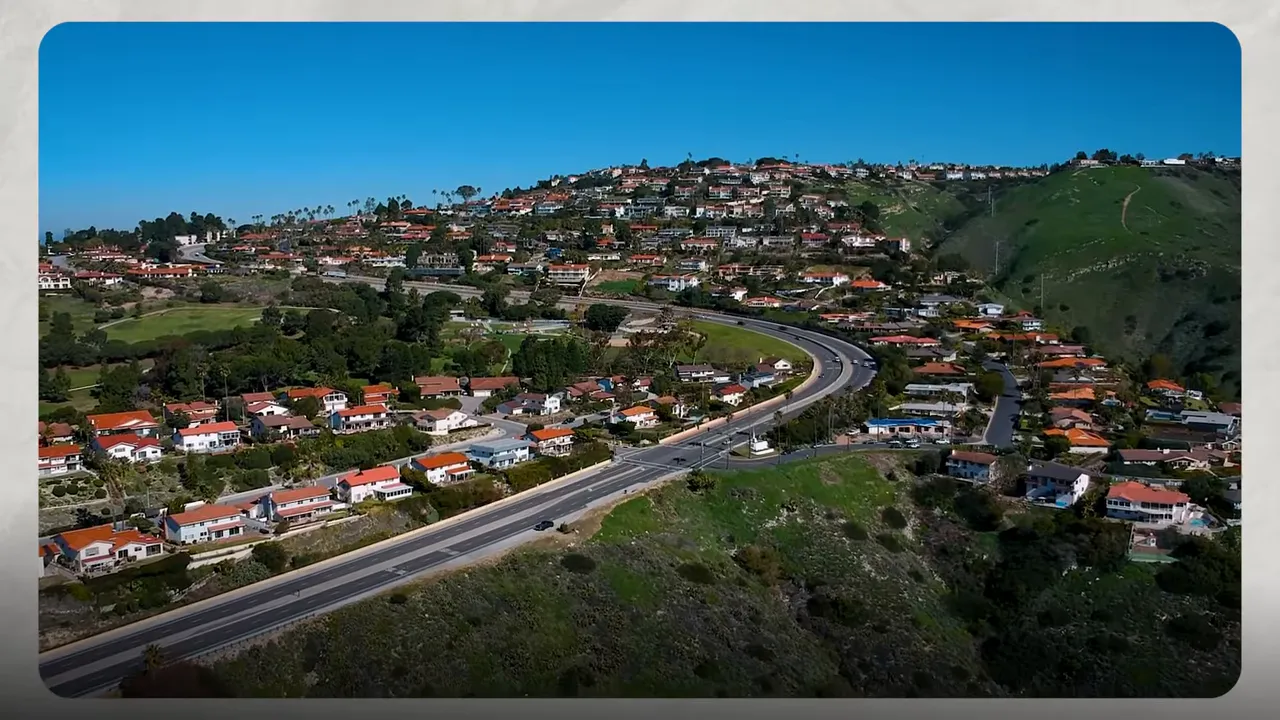
Palos Verdes Estates has seen the most pronounced softening. With median days on market around 99, roughly 7.5 months of supply, and a typical home value just under $2.8 million, buyers have meaningful leverage. Higher-priced homes, especially above $4 million, are taking the longest to move.
Rancho Palos Verdes is more mixed. Its median price was just under $1.9 million in January 2026, but average days on market rose above 100. Luxury properties across the peninsula have been particularly slow.
Torrance
Torrance remains one of the tightest markets in the South Bay. The 90505 area showed a median price around $1.5 million in March 2026, up 6.3% year over year. West Torrance remains highly competitive because of its school-driven, family-focused buyer pool.
Manhattan Beach
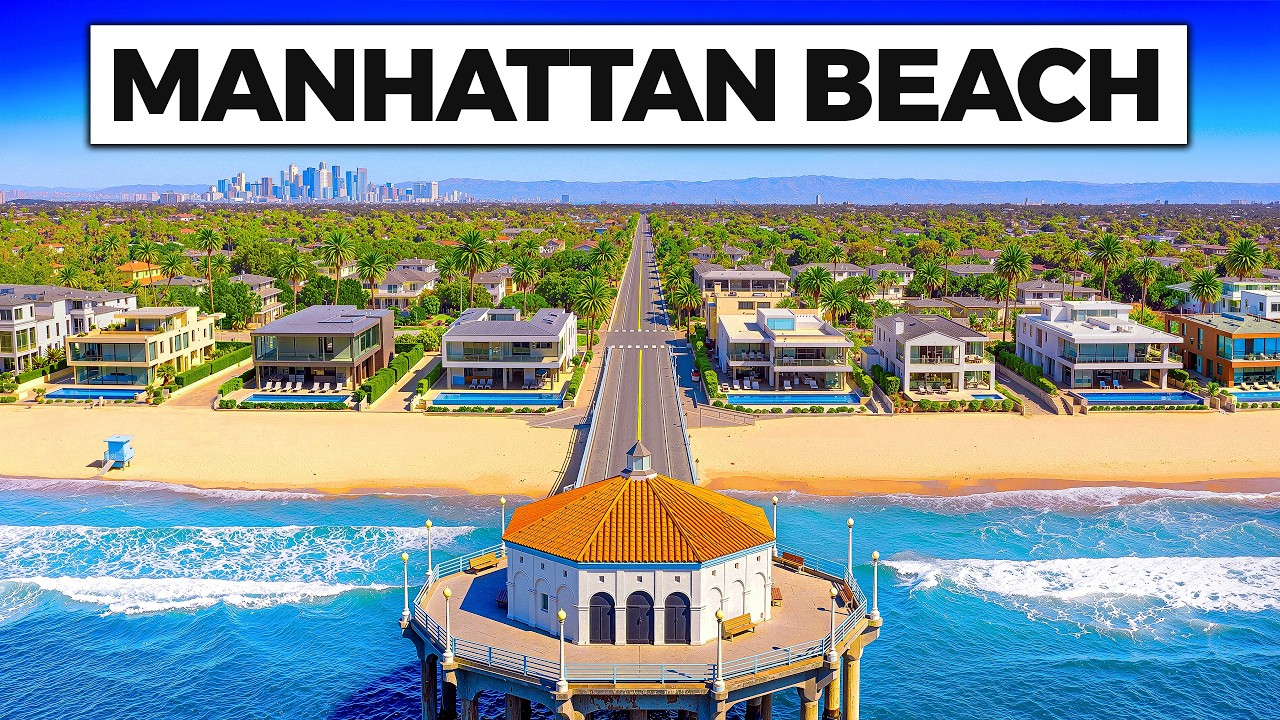
Manhattan Beach is all about price tier. The median sales price was around $3.7 million in May 2026, with an average of 28 days on market. Well-priced homes between $2.5 million and $4.5 million are still moving relatively quickly.
Above $6 million, however, timing changes considerably. Homes can sit 60 to 150 days or longer. The buyer pool becomes much thinner at the very top end.
Hermosa Beach, South Redondo Beach, and Long Beach
Hermosa Beach has lower sales volume, so the data can move around more sharply. Homes were sitting closer to 80 days, while condos remained comparatively flat at around $1.6 million.
South Redondo Beach has been steadier. Ocean views, walkability, and beach lifestyle continue to support demand, with fewer price cuts than softer areas further up the peninsula.
Long Beach remains one of the more accessible beach markets in Southern California. Its median sale price was under $850,000, up about 8% year over year, although homes took about 65 days to sell. Inventory rose about 12%, and new listings jumped nearly 40%.
With approximately 3.2 months of supply, Long Beach is not traditionally a buyer's market. But it does offer far more breathing room than it did a year earlier.
Point #6: Buying or Selling in the Los Angeles Housing Market
What buyers and sellers should do now
For buyers, this is a genuine window. Inventory is meaningfully higher than it has been in years, bidding wars are less common, and homes that have been listed for 45 days or more may offer room to negotiate.
We should not rush into the wrong home just because there is an opportunity. But waiting solely for mortgage rates to fall may not be the winning strategy either. If rates drop toward 5.5%, more sidelined buyers could return quickly, bringing stronger competition and potentially higher prices.
For sellers, pricing is everything. Not the season. Not the day of the week. Not wishful thinking based on an old neighbor's sale.
- Use comparable sales from the last two to three months.
- Understand the absorption rate in the exact neighborhood and price tier.
- Prepare the property properly before it hits the market.
- Listen carefully when buyer feedback repeats itself.
- Act early rather than letting days on market build.
The Los Angeles housing market still rewards excellent homes and smart decisions. It simply does not forgive mistakes the way it did in 2021.
FAQs About Los Angeles Housing Market
Is the Los Angeles housing market crashing?
No. Current conditions point to a reset rather than a crash. Inventory and days on market have risen, but foreclosure activity remains low, many owners retain equity, and prices in many South Bay areas are flat to slightly positive.
Do buyers have more negotiating power now?
Yes, particularly on homes that have been listed for 45 to 60 days or longer. Buyers now have more choice, more time for inspections, and more ability to compare competing properties.
Which South Bay market is softest?
Palos Verdes Estates, especially the luxury segment, has seen some of the most noticeable softening. Homes are taking longer to sell, supply is higher, and buyers have more leverage than in tighter areas such as Torrance.
Is Torrance still competitive for sellers?
Yes. Torrance remains one of the tighter South Bay markets, with relatively low supply and homes still selling around or above asking when priced correctly. The key is to avoid price padding and enter the market at a realistic number.
Should buyers wait for lower mortgage rates?
Waiting for a perfect rate can backfire. Lower rates could bring more competition back into the Los Angeles housing market. A better approach is to focus on the right neighborhood, the right home, and a price that reflects today’s conditions.
What should sellers use to price their home?
Sellers should rely on recent comparable sales from the past two to three months, current inventory, and the local absorption rate. Sales from 2021 or 2022 are not a reliable pricing strategy in today’s market.
If you’re thinking about buying in the South Bay or Long Beach, or you’re a seller trying to price to today’s market (not 2021/2022), I’d love to help you make a confident move. Call or text me at 323-350-5770, or book a FREE consultation here and I’ll point you to the most relevant data for your neighborhood and price range.
READ MORE: Wealthiest Neighborhoods in Los Angeles: Where Old Money Actually Lives