
Table of Contents
- Los Angeles Real Estate Market Overview
- Sign 1: Stagnant Home Prices in the Los Angeles Real Estate Market
- Sign 2: Neighborhood Performance Gaps
- Sign 3: Inventory Shortages
- Sign 4: First-Time Buyer Challenges
- Sign 5: Transit & Infrastructure Growth
- Sign 6: Housing Supply Constraints
- Sign 7: Rising Ownership Costs
- Sign 8: Demographic Demand Shifts
- What Buyers Should Do Before Moving to Los Angeles
- FAQs About Los Angeles Real Estate Market
Los Angeles Real Estate Market Overview
Everyone keeps waiting for a dramatic collapse in Los Angeles real estate. Big headlines. Sharp discounts. A clean reset.
That is not what this market looks like right now.
The bigger risk in Los Angeles real estate is something slower and, frankly, more frustrating. Prices can stay high or flat while affordability keeps getting worse. That means buyers keep getting squeezed, homeowners keep absorbing rising costs, and whole parts of the market quietly lose momentum without the drama of a true crash.
And that is exactly why this matters. A crash is obvious. A slow affordability grind is much easier to miss.
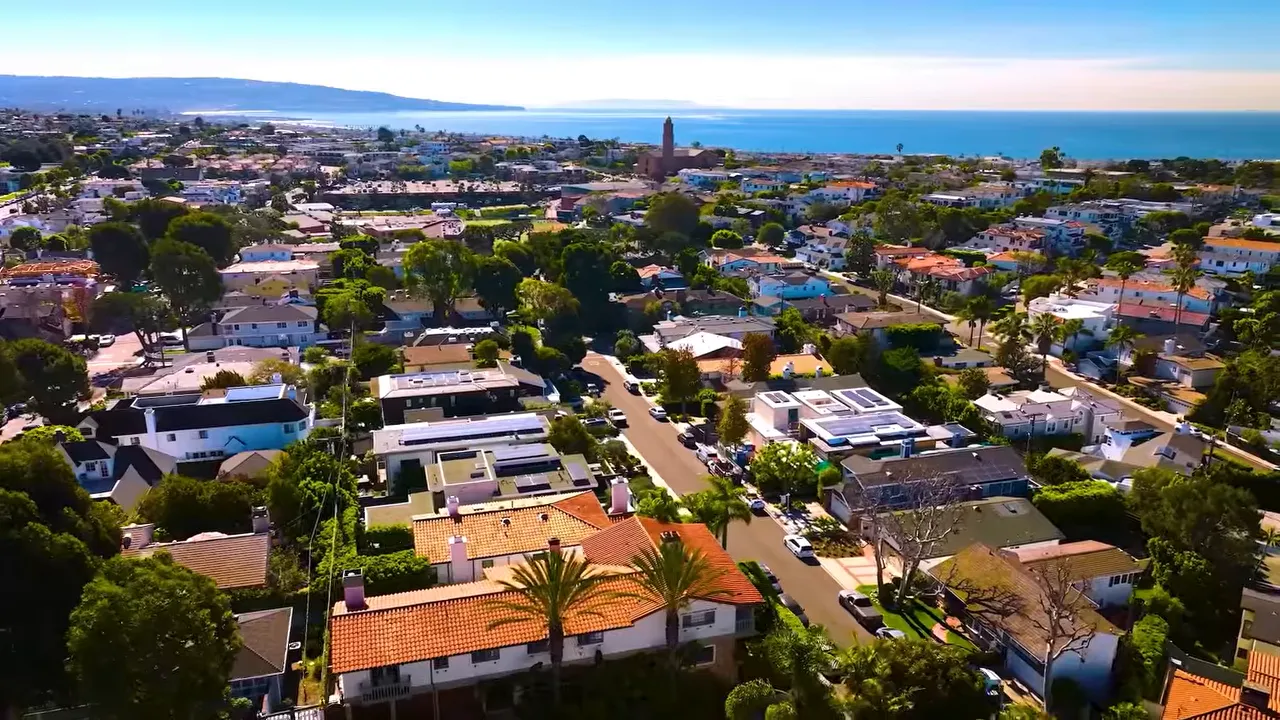
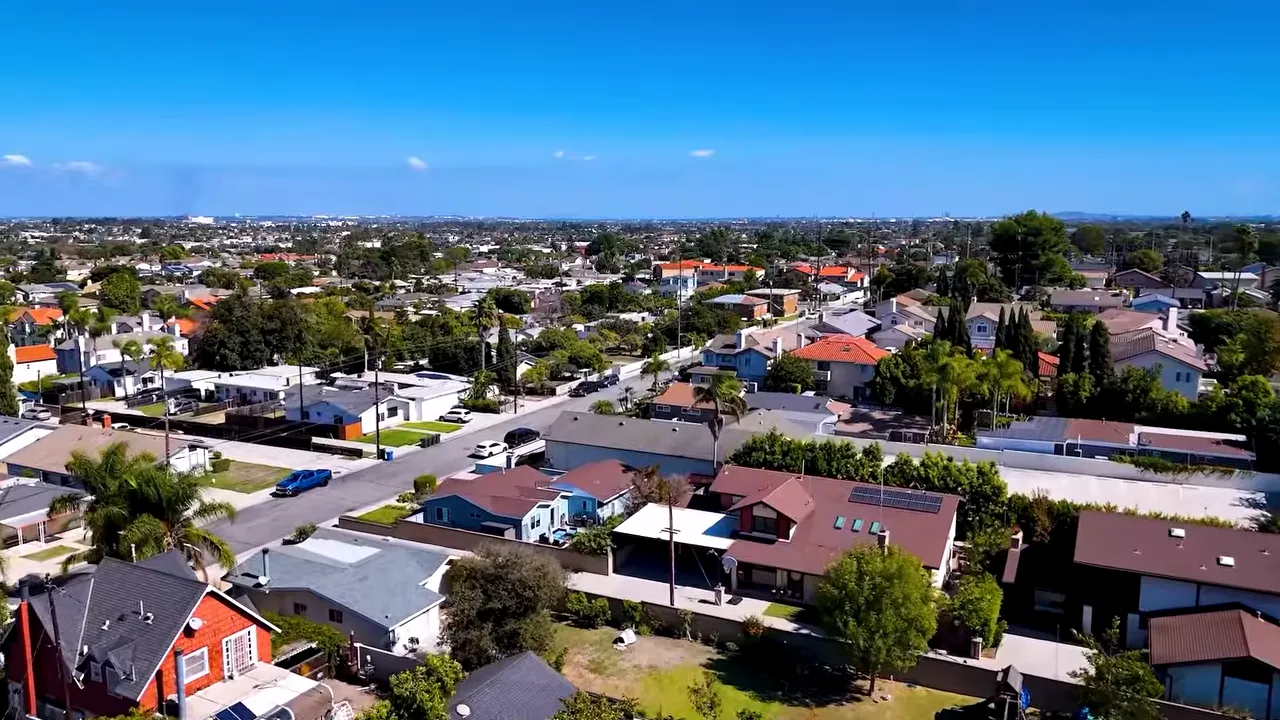
Before getting into the signs, there is one thing you need to understand about Los Angeles real estate. It is not one single market. It has split into multiple environments, especially across the South Bay, and each one behaves differently. If someone says the Los Angeles market is doing this or that, the first question should be: which part?
That distinction matters because two homes just a few miles apart can have completely different demand, buyer pools, and long term upside.
There is also the affordability backdrop. Only a small share of California households can afford the median priced home, and the income needed to qualify is eye watering. In Los Angeles real estate, that means ordinary buyers are often competing in a market that no longer functions on ordinary economics.
DISCOVER THE BEST PLACES TO LIVE IN SOUTHERN CALIFORNIA
Sign 1: Stagnant Home Prices in the Los Angeles Real Estate Market
Stagnant appreciation is masking deeper problems.
At first glance, flat pricing sounds reassuring. If values are not surging, that should be good news for buyers, right?
Not necessarily.
In Los Angeles real estate, flat appreciation can be a warning sign if ownership costs keep rising. Property taxes do not stop. Insurance certainly is not getting cheaper. HOA dues keep creeping up. Maintenance never takes a year off.
If your home value is barely moving while your monthly cost of ownership keeps climbing, you are not really gaining ground. You are holding position at a higher cost.
This is one of the most misunderstood parts of Los Angeles real estate today. Stability is not the same as health. In a strong area, flat pricing may just be a pause before the next move up. In a weak area, it can be the start of a longer stagnation problem.
The difference comes down to fundamentals like:
- Access to major job centers
- Transit improvements
- School quality
- Long term neighborhood demand
Sign 2: Neighborhood Performance Gaps
The gap between winning and losing neighborhoods is widening.
This is where Los Angeles real estate gets very local, very quickly.
Some neighborhoods are barely blinking. Others are becoming more negotiable than they have been in years. At the upper end, scarcity still rules. At lower price points, buyers are far more selective.
In practical terms, the South Bay is acting like three separate tiers:
- Below $2 million: more negotiable, more rate sensitive, more buyer hesitation.
- $2 million to $6 million: steadier, often driven by equity heavy buyers.
- Above $6 million: scarcity territory, where location and exclusivity matter more than mortgage math.
That means buying the wrong pocket of Los Angeles real estate can cost you dearly over time. Two homes can start out looking similar on paper and end up miles apart in long term performance.
The smartest way to evaluate an area is not by guesswork. Look at infrastructure, proximity to employment, school district quality, and whether that neighborhood attracts more than one type of buyer.
Sign 3: Inventory Shortages
Mortgage rate lock in is creating an artificial inventory shortage.
This is one of the biggest distortions in Los Angeles real estate right now.
A huge number of existing homeowners are sitting on mortgage rates below 5 percent. Many are far below that. If they sell and buy again, they are stepping into financing that can be dramatically more expensive.
That is not a small monthly inconvenience. Over the life of a 30 year loan, the difference can add up to an enormous extra cost.
So what happens? People who normally would have sold do not sell. Empty nesters stay put. Families that outgrew their house stay put. Move up buyers stay put.
That keeps inventory tight, which keeps pressure on the limited homes that do hit the market. In Los Angeles real estate, this shortage is not always because there are no homes. It is because owners are financially disincentivized from moving.
Sign 4: First-Time Buyer Challenges
First time buyers are being priced out of the market.
This should worry more than just people trying to buy their first home.
First time buyers are the base of the housing ladder. If they disappear, the whole ladder weakens. Move up sellers need someone to buy their starter home. If that buyer pool shrinks, sales slow and pressure builds at the entry level first.
In Los Angeles real estate, rent is already consuming a large share of household income. That leaves very little runway to save for a down payment. So those buyers delay. Then delay again.
The homes most exposed to this trend are the ones that rely heavily on first time buyer demand, such as:
- Older condos
- Smaller single family homes
- Properties farther from the coast
- Homes farther from transit and major job centers
Properties with broader appeal are better insulated.
Sign 5: Transit & Infrastructure Growth
Infrastructure investment is creating new winners and losers.
In Los Angeles real estate, infrastructure is often a preview of future demand.
The K Line extension to Torrance is a prime example. It is a major long term transit project with the potential to improve regional access and change how people value certain neighborhoods.
Historically, homes near transit corridors in Los Angeles have often enjoyed stronger demand and price premiums versus comparable homes that are disconnected from those improvements.
This does not mean every home near a future station is automatically a winner. But it does mean that if you ignore where public money is flowing, you may miss where future demand is building.
Sign 6: Housing Supply Constraints
Construction costs are choking off middle market supply.
This one is simple and brutal.
In much of Los Angeles real estate, builders cannot make the numbers work on homes under $1 million anymore. In some areas, even the middle market is difficult to build economically.
Once construction, land, labor, materials, and difficult site work all get layered in, the natural result is that builders chase the top end where margins still exist.
That leaves buyers in the roughly $1 million to $1.5 million range competing for older existing homes instead of fresh supply. And that keeps surprising pressure on aging inventory that, in a more balanced market, might have softened more.
Often, the better value in Los Angeles real estate is not the flashy brand new build. It is the well maintained older home in a good location with enduring fundamentals.
Sign 7: Rising Ownership Costs
Insurance and climate costs are colliding with an aging housing stock.
This is one of the most underestimated ownership costs in Los Angeles real estate.
After major wildfire events and broader insurance market changes, premiums are rising and policy availability has become a much bigger variable in affordability. That matters on day one of ownership, and it matters even more over time.
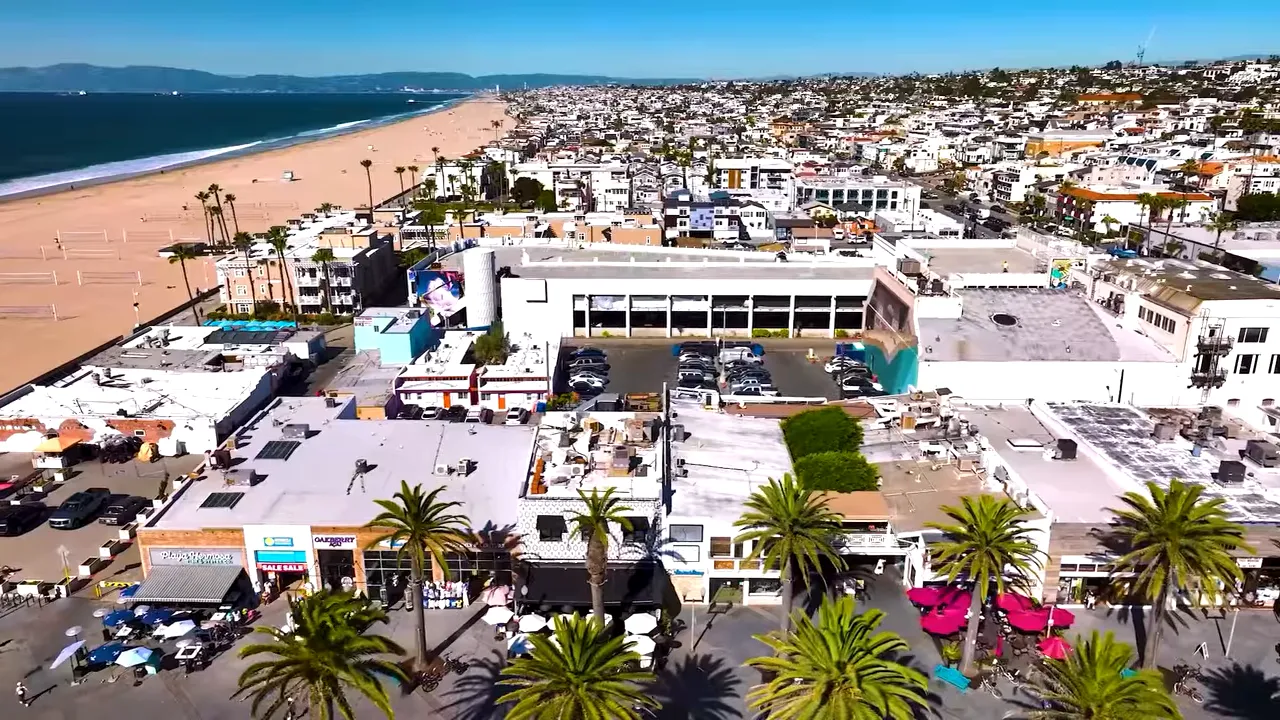
Then layer in the age of the housing stock. Many homes across Los Angeles and the South Bay are decades old. Plenty need roofs, windows, HVAC systems, water heaters, kitchens, baths, or electrical updates.
That can make an older home look affordable on the list price and very expensive in practice.
For buyers, that means you need a realistic repair and insurance budget. For sellers, it means pre listing upgrades may no longer deliver the return they once did.
Sign 8: Demographic Demand Shifts
A demographic cliff may reshape demand over the next decade.
This is the one most people miss in Los Angeles real estate.
The biggest homebuying generation in history is aging out of the starter home phase. Older millennials are increasingly move up buyers, not entry buyers. Meanwhile, first time buyer participation has dropped to unusually low levels.
At the same time, baby boomers have taken a larger share of home purchases, and younger households are not filling the pipeline the way many assumed they would.
That creates a serious question for specific property types in Los Angeles real estate. Who will be the natural buyer for smaller older homes farther inland in five to ten years? Who absorbs entry level condo inventory if first time buyers keep getting delayed and younger households keep leaving the state?
The answer is not that demand disappears overnight. It is that demand gets narrower. And narrow demand usually means more risk.
What Buyers Should Do Before Moving to Los Angeles
If Los Angeles real estate feels complicated right now, that is because it is.
But complicated does not mean impossible. It means you need to buy strategically.
Here is the practical playbook:
- Favor locations with strong fundamentals. Think jobs, schools, transit, and long term desirability.
- Buy for broad appeal. The best Los Angeles real estate tends to attract more than one buyer demographic.
- Be cautious with narrow demand property types. Especially smaller, older, less connected homes that rely heavily on first time buyers.
- Do full ownership math. Include insurance, repairs, HOA, taxes, and likely future updates.
- Track infrastructure. Future transit and municipal investment often tell you where demand is headed.
- Do not confuse flat pricing with safety. Some flat markets are resting. Others are quietly eroding.
The truth about Los Angeles real estate right now is this: the danger is not just overpaying. The danger is buying into the wrong segment of the market and getting stuck in a property with weak future demand, rising carrying costs, and limited upside.
A crash gives a market a fast reset. This environment can trap people slowly.
That is why careful buying matters more than ever.
DISCOVER THE BEST PLACES TO LIVE IN SOUTHERN CALIFORNIA
FAQs About Los Angeles Real Estate Market
Is Los Angeles real estate about to crash?
The bigger concern is not a dramatic crash. It is a prolonged affordability squeeze where prices stay stubbornly high or flat while ownership costs keep rising.
Why are homes still expensive if the market has cooled?
Los Angeles real estate is being supported by limited inventory, mortgage rate lock in, expensive new construction, and strong demand in select neighborhoods. Cooling does not automatically mean cheap.
Which parts of Los Angeles real estate are most vulnerable?
Properties that depend heavily on first time buyers tend to face more structural pressure, especially smaller older homes or condos farther from transit, employment hubs, and the coast.
What types of properties are better positioned?
Homes in strong school zones, near job centers, near transit investment, and in neighborhoods with broad appeal across multiple buyer groups are generally better insulated in Los Angeles real estate.
Why does infrastructure matter so much?
Infrastructure can shift convenience, demand, rental strength, and long term value. In Los Angeles real estate, transit projects like the K Line extension can create clear winners and leave other areas behind.
Are older homes a bad buy in Los Angeles real estate?
Not at all. Many older homes can be excellent buys if they are well located and well maintained. The key is to budget realistically for insurance, deferred maintenance, and future renovation costs.
Thinking about moving to Los Angelese? If you’re considering neighborhoods and want a clear plan that accounts for affordability, inventory, and long-term risk, reach out today. Call or text 323-350-5770 or book a FREE consultation here.
READ MORE: Los Angeles CA Real Estate Market: What’s Selling and What’s Not