
Table of Contents
- Introduction To Homes To Avoid In Los Angeles CA
- Type #1 Flipped Homes In Los Angeles CA
- Type #2 Large Fixer Homes In Los Angeles CA
- Type #3 Coastal & Landslide Risk Homes In Los Angeles CA
- Type #4 100-Year-Old Homes In Los Angeles CA
- Type #5 Condo Risks In Los Angeles CA
- Common Risks Of Los Angeles CA Homes
- FAQs About Homes To Avoid In Los Angeles CA
- Final Thoughts On Los Angeles CA Home Risks
Introduction To Homes To Avoid In Los Angeles CA
If you are searching for homes to avoid in Los Angeles CA, this is the stuff that can save you a fortune.
Some properties look like a bargain. Some look absolutely gorgeous. Some seem like the perfect way to get into the South Bay, Long Beach, Rancho Palos Verdes, or one of the beach cities. But the wrong purchase can quietly turn into a money pit, an insurance nightmare, or a resale headache that follows you for years.
The key is not that these homes are always bad. It is that they require far more due diligence than most buyers realize. If you know what you are doing, some can still make sense. If you do not, they can cost you tens of thousands of dollars, and sometimes much more.
This guide breaks down five of the biggest homes to avoid in Los Angeles CA, especially if you are buying near the South Bay beach cities and surrounding areas.
Type #1 Flipped Homes In Los Angeles CA
There are loads of flips across Los Angeles, and this is one of the most common categories of homes to avoid in Los Angeles CA unless you really know how to inspect what is behind the pretty finishes.
To be clear, not every remodeled home is a problem. A house that an owner updated years ago and then actually lived in is one thing. A fast investor flip done to maximize profit is another thing entirely.
The danger is that many flipped homes are designed to sell emotion first. Fresh paint. Trendy flooring. Shiny kitchen. New fixtures. Staged furniture. Great photos online. It all looks like the dream.
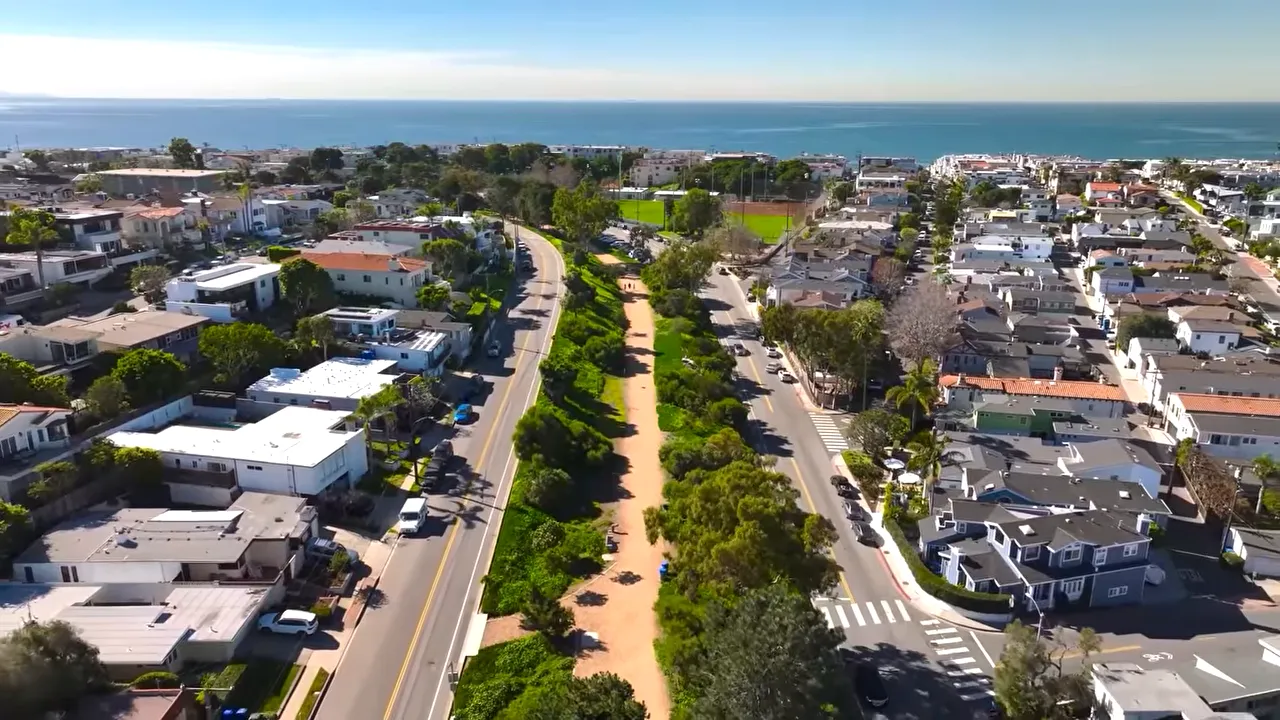
But some of the nicest-looking homes hide the worst workmanship.
Common warning signs can show up the moment you walk in:
- Crooked light switch covers
- Uneven paint lines
- Sloppy finish work
- Cabinet installation that feels rushed
- New materials laid over old damage
Those are the visible clues. The more expensive issues are often hidden inside the walls, under the floors, or in the systems.
It is not unusual to find new flooring installed over a rotted subfloor, electrical changes that are not up to code, or plumbing work done by someone who should never have touched plumbing in the first place. If the work was done by a first-time flipper or someone trying to save money by avoiding licensed contractors, the cosmetic updates can become your future repair bill.
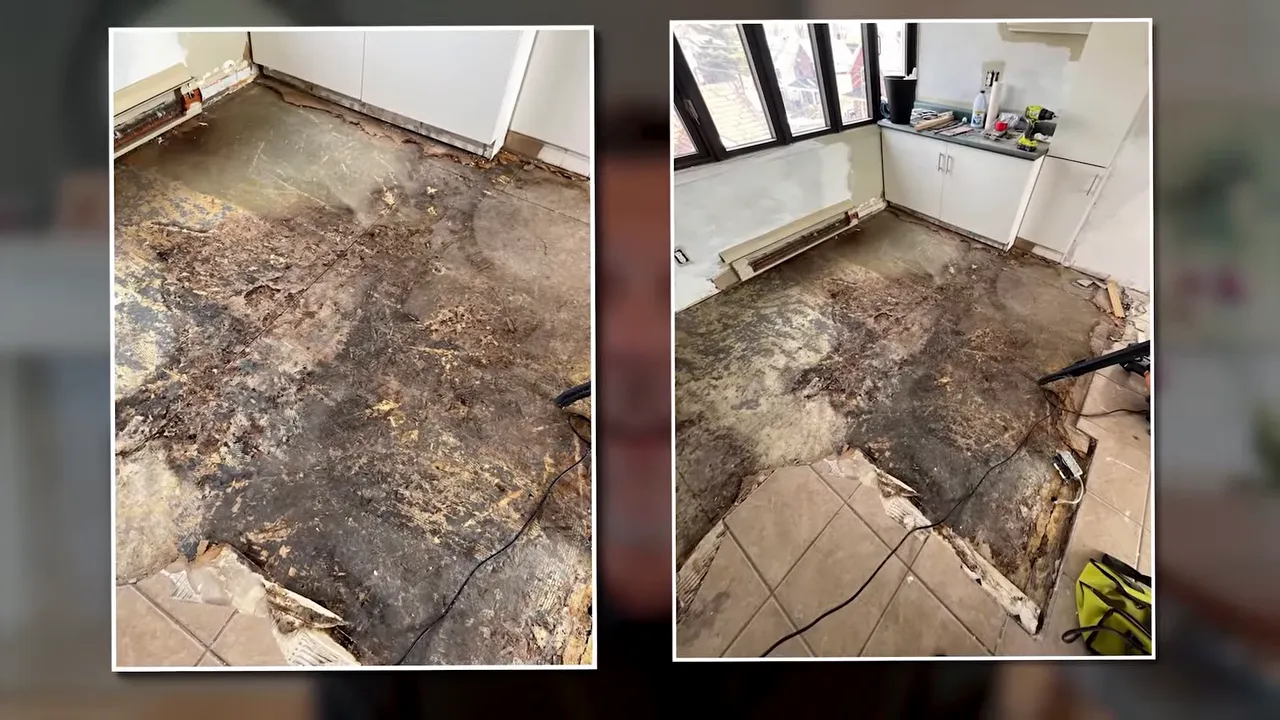
The biggest issue of all is often permits.
Some flippers skip permits to save time and money. That may have worked for them in the short run, but when you buy the property, you inherit the risk. If the city later discovers unpermitted work, you may be forced to open walls, tear things out, or bring the property up to code retroactively. None of that is cheap.
There is also an insurance angle that many people completely miss. If a fire starts because of bad wiring, or a leak develops from improperly installed plumbing, an insurance company may scrutinize whether the work was permitted and professionally completed. That can become a very ugly conversation very fast.
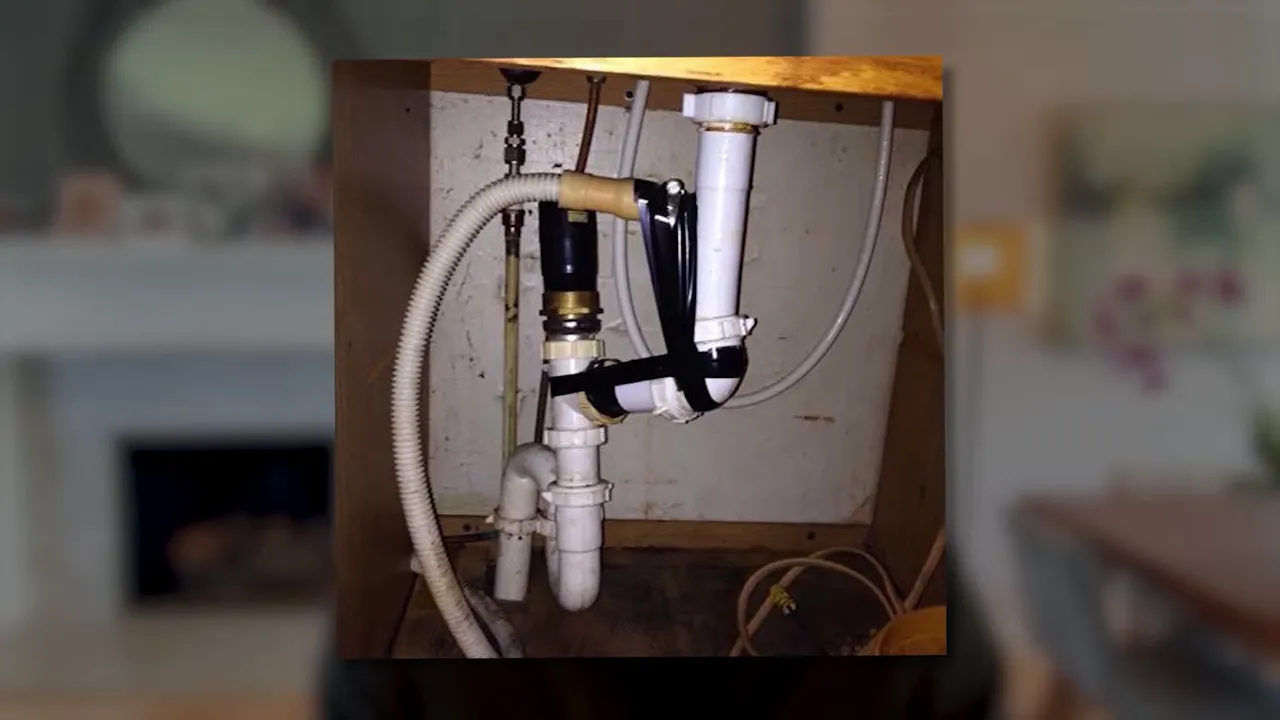
If you are considering this type of home, do not just admire the finishes. Ask for:
- A full list of work completed
- Copies of permits and sign-offs
- Information on who performed the work
- A thorough home inspection from someone who knows how to spot bad flips
A cute move-in-ready home can still be one of the biggest homes to avoid in Los Angeles CA if the renovation was lipstick on a pig.
Type #2 Large Fixer Homes In Los Angeles CA
This one catches a lot of buyers because the phrase sounds so harmless. The house is huge. The price per square foot seems attractive. It only needs some updating. What could go wrong?
Quite a lot, actually.
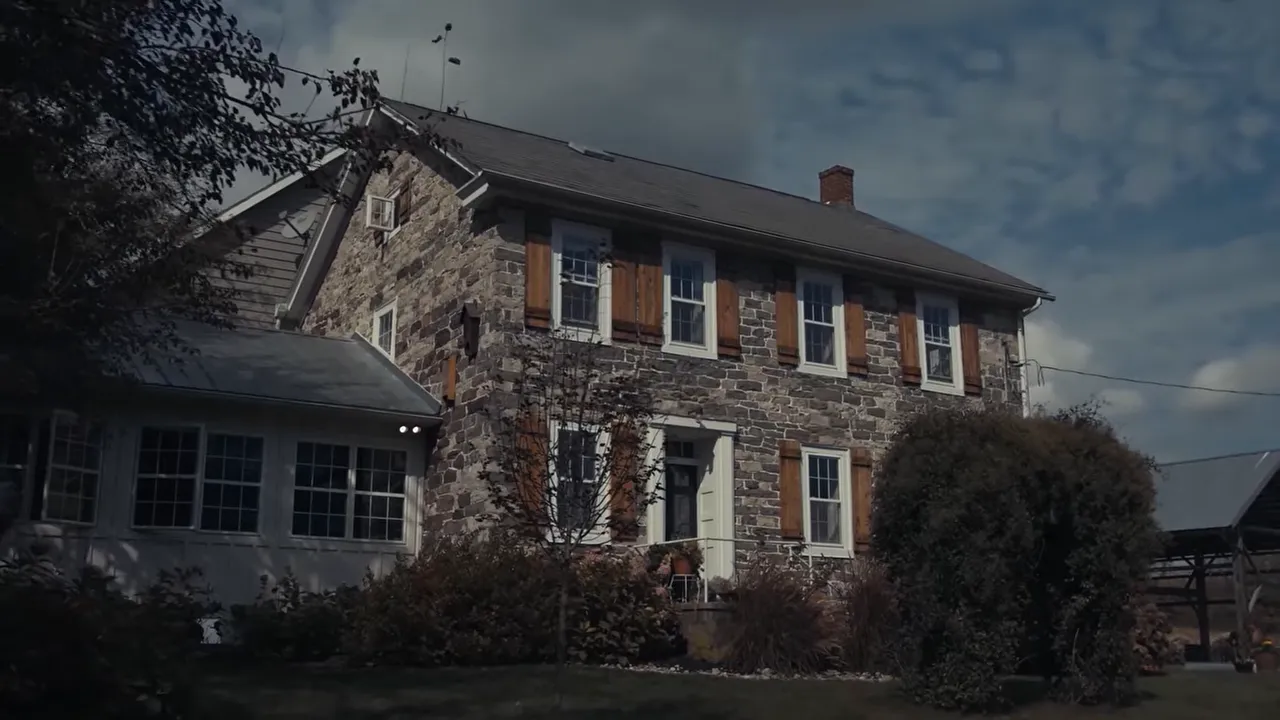
When a large home needs work, the costs snowball quickly. The rough benchmark here is homes around 3,500 square feet or larger. Once you get into that size range, every cosmetic refresh and every systems upgrade becomes a much bigger project than people expect.
Most buyers focus on the fun updates first. Flooring. Paint. Kitchen refresh. Bathrooms. Light fixtures. But on a big house, the expensive problems are often the unglamorous ones:
- Roof replacement
- Furnace and HVAC updates
- Window replacement
- Flooring throughout a large footprint
- Labor on tall ceilings and hard-to-reach spaces
If replacing carpet in a 2,000-square-foot house is manageable, doing the same thing in a 4,500-square-foot house is a completely different number. Add high ceilings, scaffolding, extra labor, and specialty work, and the budget can jump fast.
This is where “good deal per square foot” can become a trap. A discount on the purchase price may not come close to covering what it takes to update the place properly.
It is also worth remembering that larger, older homes often have larger, older systems. Buyers sometimes end up spending far beyond what they planned because they only budgeted for cosmetic improvements. Then the roof needs doing. Then the furnace. Then windows. Then other deferred maintenance shows up.
It is not unusual for buyers to overshoot their budget by a huge margin on these homes, especially when they underestimate what “a little work” really means at that scale.
That does not mean you should never buy a large house that needs updating. It means you need to be brutally realistic.
Before moving forward, get:
- A detailed home inspection
- Contractor input whenever possible
- Real bids, not rough guesses
- A renovation budget with contingency money built in
Among all the homes to avoid in Los Angeles CA, this is one of the easiest to underestimate because it often looks like an opportunity instead of a warning sign.
Type #3 Coastal & Landslide Risk Homes In Los Angeles CA
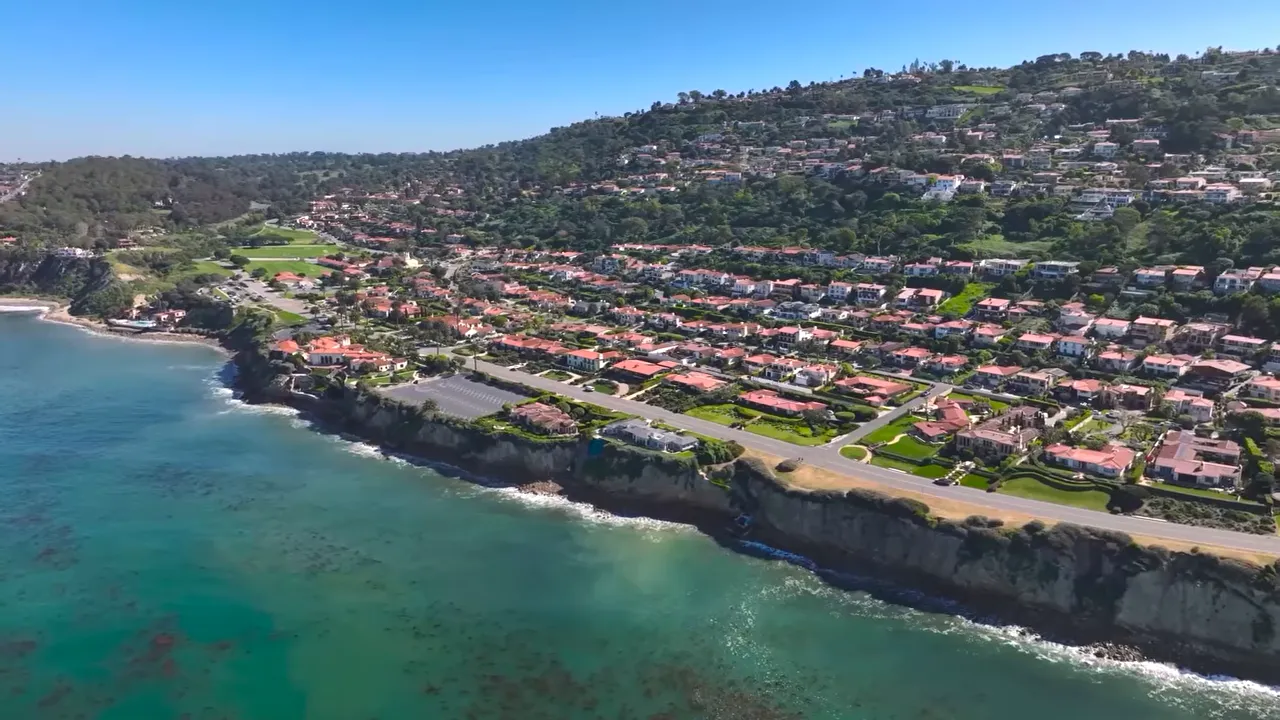
This category is a big one in specific local markets. Think landslide areas in Rancho Palos Verdes, homes close to cliff edges, and certain properties near the water in the South Bay and Long Beach.
These homes can be incredibly tempting because they often appear discounted compared with safer nearby options. A property may be priced hundreds of thousands of dollars below where you feel it should be, and that discount can create a lot of emotional pull.
But discounted for why ?
With landslide-adjacent or geologically sensitive properties, the right due diligence is not optional. You need to look beyond the house itself and understand the land, the risk, the insurability, and the long-term resale consequences.
That means checking things like:
- Soil testing
- Geological reports
- Insurance availability before escrow gets too far
- Future buyer demand and resale limitations
If insurance becomes difficult or impossible to obtain later, that affects far more than your monthly costs. It can slash the future buyer pool. If financed buyers cannot get coverage, your resale market may shrink to cash-only purchasers. That is where values can take a serious hit.
The same kind of caution applies near the water.
Living close to the ocean in Manhattan Beach, Hermosa Beach, or similar coastal locations sounds like the California dream, and in many ways it is. But there are extra costs and extra complications that buyers need to understand.
Construction and remodeling near the water can cost substantially more. In some cases, contractors may charge 25% to 50% more because of the additional permitting, city oversight, and complexity that comes with coastal building.
And in places like Long Beach near the canals, there is another long-term issue to think about: flooding risk over the next 10 to 20 years. Even if it is not fully reflected in pricing today, it could matter a great deal in the future.
This is one of the clearest examples of homes to avoid in Los Angeles CA if you are buying purely on price and not on risk-adjusted value. A cheaper house is not a bargain if future insurance, financing, repairs, or resale become a problem.
Type #4 100-Year-Old Homes In Los Angeles CA
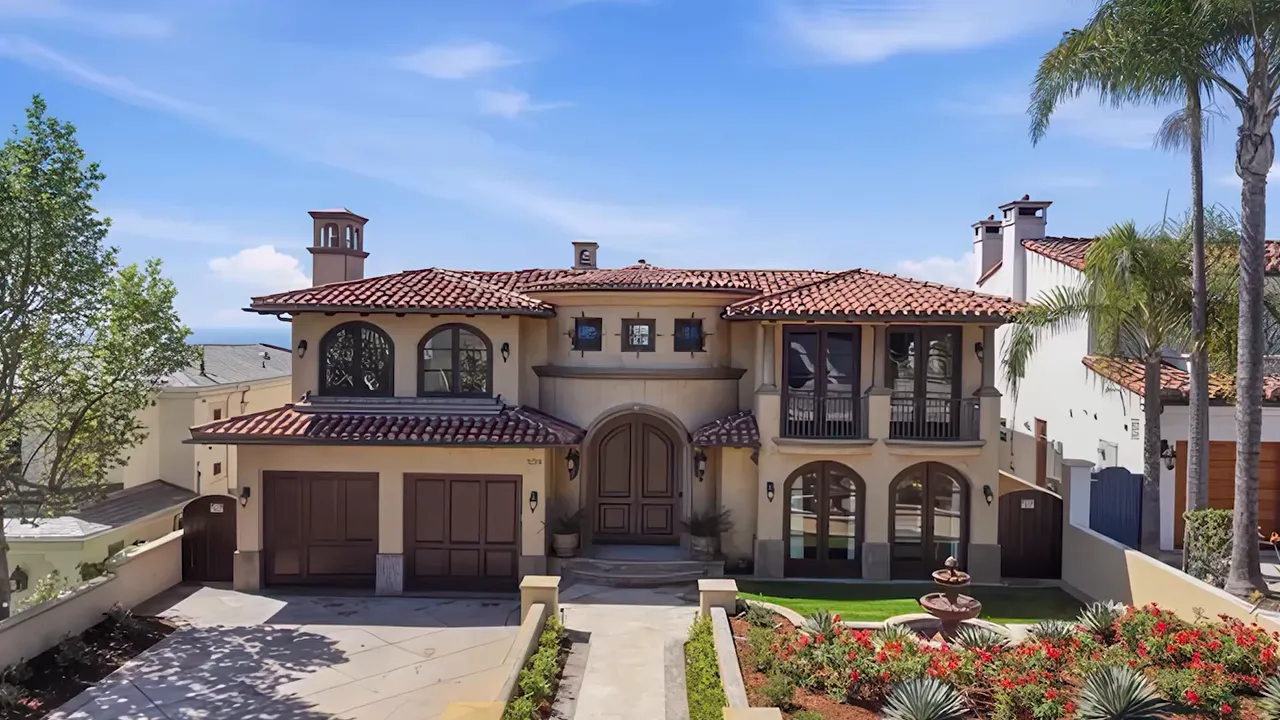
Los Angeles has plenty of beautiful old homes, including charming Craftsman properties, bungalows, and character-rich houses in places like the South Bay and Long Beach.
They can be wonderful. They can also be unpredictable.
Once a home is 100 years old or older, you are dealing with layer upon layer of history. Different owners. Different code eras. Different repair standards. Maybe a few handyman specials along the way. And often nobody knows everything that has been done to the property over time.
The visible charm is usually not the issue. Original trim, hardwood floors, old-school architecture, and unique details are often what make these homes so appealing. The trouble is in the stuff you cannot easily see.
Common problems in very old homes can include:
- Knob-and-tube wiring
- Settled or compromised foundations
- Outdated cast-iron plumbing
- Past repairs done to older standards
- Generations of patchwork modifications
Inspections on these homes are a different ballgame. They often take longer, cost more, and reveal a long list of issues. That does not necessarily mean the house was neglected. Sometimes it simply means it is old.
There is also a practical negotiation issue here. Sellers of century-old homes often know there will be findings. Buyers know it too. So when inspection reports come back with a stack of concerns, there is often less leverage than buyers expect. The response is often some version of, “Well, it is a 100-year-old home.”
That means you need to go in with the right mindset. Not shocked. Not offended. Just prepared.
Renovating older homes can also cost much more than people assume. Even what sounds simple, like replacing windows or upgrading electrical systems, can be double or triple the cost of doing similar work in a newer property.
So are these automatically among the homes to avoid in Los Angeles CA? Not necessarily. But they definitely belong on the caution list. If you love old homes, buy one with your eyes open and your budget ready.
Type #5 Condo Risks In Los Angeles CA
Condos are appealing for good reason. They can be lower maintenance. They may offer great amenities. They can put you in walkable areas near coffee shops, restaurants, and beach-city lifestyle. They can be a solid option for young professionals, small families, or retirees who want to lock up and travel.
But condos are also one of the most misunderstood categories of homes to avoid in Los Angeles CA when buyers fail to review the HOA, reserves, insurance situation, and future building obligations.
The first thing people tend to underestimate is the HOA fee.
Many buyers treat it like a manageable monthly extra. But HOA costs can rise quickly because of higher insurance premiums, maintenance demands, and utility costs. A fee that starts at $400 a month can jump to $600 or $800 over a relatively short period.
That matters because even if your mortgage stays fixed, your total monthly housing payment does not.
Then there is the issue of special assessments.
If the HOA does not have enough money in reserves and the building needs major work, each owner can be hit with a bill. That could be $10,000. It could be $15,000. In some cases it can be far higher.
Potential assessment items include:
- Roof replacement
- Windows and doors
- Siding
- Structural repairs
- Building-wide deferred maintenance
That is why reserve review matters so much. You need to know how much money the HOA actually has saved, what major components have already been replaced, and what expenses may be coming down the line.
Insurance is another sneaky issue. Some condo associations are struggling to get affordable insurance at all. In certain cases, costs have doubled or tripled. That pressure tends to get passed on to owners one way or another.
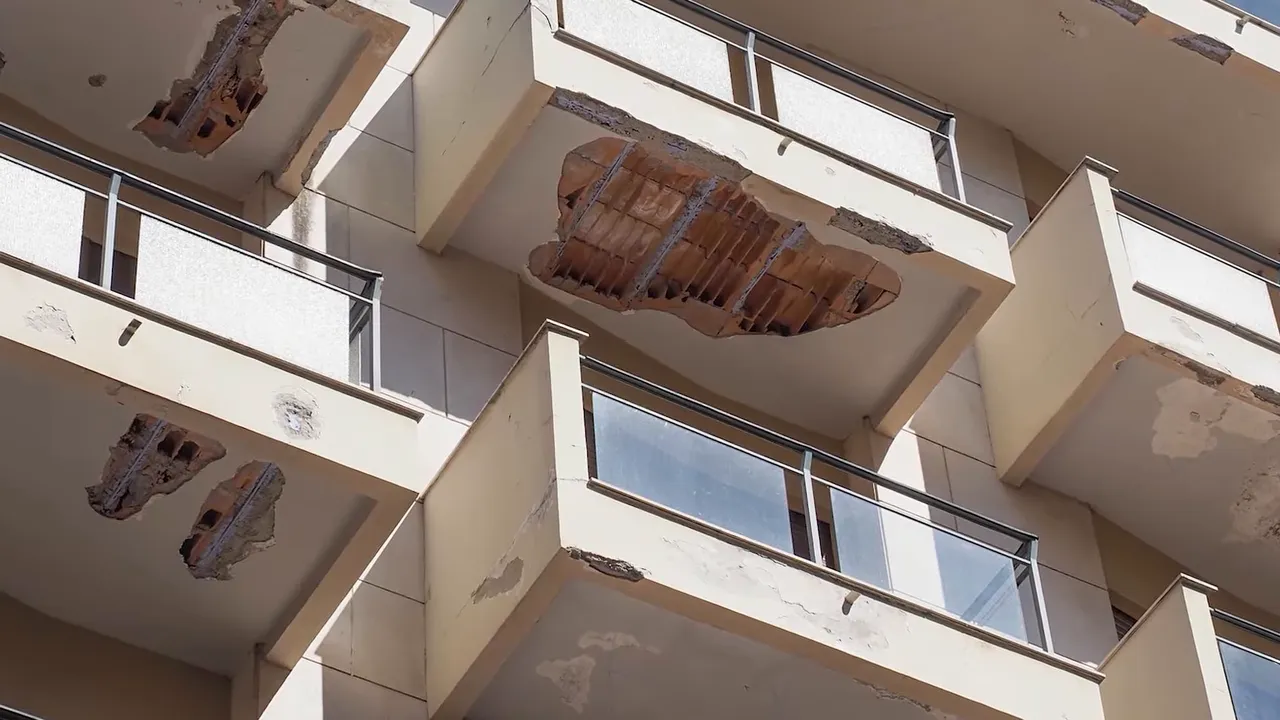
There are also newer inspection requirements to be aware of, including balcony inspections. If a building has not completed them, that is a red flag. If inspections uncover problems, the cost to fix them may land right back on the owners.
Before buying a condo, get everything in writing and review it carefully. That includes:
- HOA financials and reserve levels
- Meeting minutes
- Known or proposed special assessments
- Insurance details
- Upcoming inspections or required repairs
Condos can absolutely work. But if you skip the document review, they can become one of the costliest homes to avoid in Los Angeles CA.
Common Risks Of Los Angeles CA Homes
These homes are not automatic nos. They are caution properties.
The real problem is not the category itself. The real problem is buying one without understanding the hidden risk.
Whether you are looking at a flipped house in Los Angeles, a large fixer in the South Bay, a bluff-top property, a century-old bungalow, or a condo near the beach, the same principle applies:
- Do more due diligence than you think you need
- Verify permits, not just finishes
- Price future costs, not just purchase price
- Check insurance before you get too far
- Think about resale before you buy
If you are trying to identify homes to avoid in Los Angeles CA, that is the lens to use. Ask yourself what problem the listing photos are not showing, and what your future buyer will worry about when it is your turn to sell.
FAQs About Homes To Avoid In Los Angeles CA
Are flipped homes always bad purchases in Los Angeles?
No. A remodeled home can be a great purchase if the work was done properly, with permits, and by qualified professionals. The concern is with quick flips where cosmetic appeal may be hiding poor workmanship or unpermitted work.
Why are large homes that need updating so risky?
Because every repair costs more when there is simply more house. Flooring, windows, roofing, HVAC, paint, and labor all scale up with size. High ceilings and complex layouts can push costs even higher.
Should I avoid homes near landslide areas or the water?
You should be extremely cautious. These homes may require geological review, extra insurance research, and a careful look at future resale risk. A lower price does not necessarily mean better value.
Are 100-year-old homes too risky to buy?
Not always. Many older homes are fantastic, but they require realistic expectations. Electrical, plumbing, foundation, and code-related issues are more common, and repairs often cost more than they would in newer properties.
What should I review before buying a condo in Los Angeles?
Review the HOA reserves, monthly dues, meeting minutes, insurance details, any planned or possible special assessments, and whether required inspections such as balcony inspections have been completed.
What are the biggest homes to avoid in Los Angeles CA for first-time buyers?
For many first-time buyers, the biggest trouble spots are poor-quality flips and condos with weak HOA finances. Both can look affordable upfront and then become much more expensive after closing.
Final Thoughts On Los Angeles CA Home Risks
Plenty of buyers focus on what they love about a home. Smart buyers also focus on what could go wrong.
That is how you avoid the expensive mistakes and choose a property that still makes sense years from now, not just on offer day.
If you want help figuring out which homes to avoid in Los Angeles CA (and what to look for instead), reach out anytime. Call or text me, Matt Tilley at 323-350-5770. I’m happy to talk through your goals and the specific areas you’re considering.