

The Los Angeles housing market feels strange because the usual rules are not quite working. Inventory still looks relatively tight by traditional standards, yet many homes are sitting longer. Sellers are reducing prices. Buyers are taking their sweet time. And neither side seems to hold a clear advantage.
We are seeing a transitional market where the numbers alone do not tell the whole story. A home can look like it should spark a bidding war, then linger for eight weeks and take two price reductions. Meanwhile, another well positioned property can still receive multiple offers and sell well over asking.
The difference is not simply supply. It is buyer psychology, pricing discipline, and the fact that buyers now believe another option will come along next week.
Why the Los Angeles Housing Market Feels Different
For years, the basic assumption was straightforward: low inventory meant urgency, urgency meant competition, and competition meant offers above asking price. But the Los Angeles housing market is not behaving that neatly right now.
Los Angeles is sitting in roughly the four to five month supply range, depending on the area. Historically, a balanced market was more commonly associated with six to nine months of supply. On paper, then, this should still favour sellers.
But here is the plot twist. Available inventory in the Los Angeles metro area rose 28% in 2024 and another 12% in 2025. At the same time, early 2026 produced the lowest number of homes sold since 1995. Los Angeles County homes were averaging 56 days to sell, around 20% slower than the same point a year earlier.
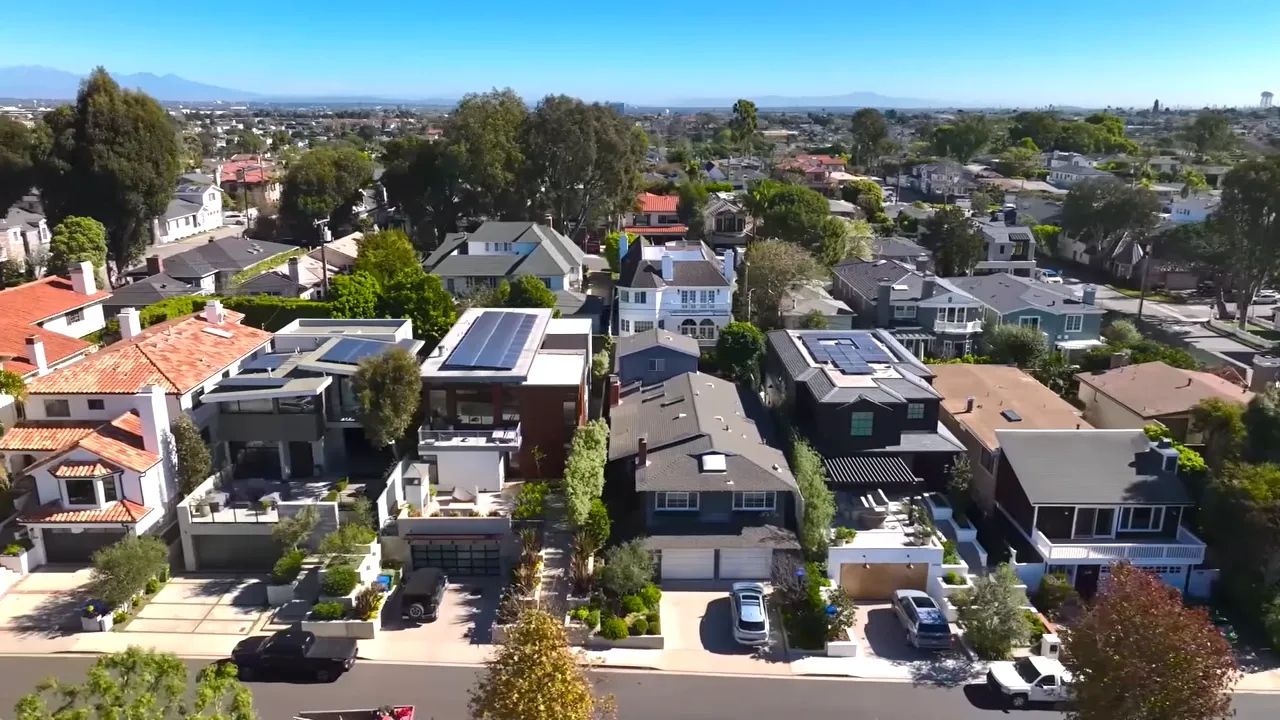
That combination creates a weird market: inventory is not enormous, but buyers are not acting as though homes are scarce. They know more properties are arriving regularly, so they feel less pressure to jump on the first suitable option.
In the fast moving COVID years, buyers often wanted to get into a property within an hour or two. Now, it is perfectly normal for a buyer to ask whether we can see a home next Thursday, even if that is more than a week away. That is a massive shift in behaviour.
The Los Angeles housing market is not broken. It is simply in a reset, and both buyers and sellers need a different strategy to get good results.
Reason 1: Rising Inventory in the Los Angeles Housing Market
Inventory is rising while absorption is slowing
The first reason homes are sitting longer is that inventory and demand are moving in opposite directions. There may still be fewer listings than in a fully balanced market, but buyers have more choices than they did a year or two ago.
More choice changes everything. When a buyer can compare several similar homes, they become much more selective about condition, layout, natural light, location, and price. They do not need to rush because there is less fear that the only decent option will disappear by Monday morning.
This is why a home can sit despite low months of supply. Buyers are not necessarily absent. They are simply cautious, comparison shopping, and waiting for the right value.
For buyers, this creates a genuine opportunity to negotiate. We should be looking carefully at homes that have been available for a while, especially where the price, condition, or seller expectations are slightly out of line. A good negotiation may include:
- A meaningful price reduction
- Closing cost credits
- Repairs or repair credits when issues are found
- More favourable timing or contract terms
For sellers, it means representation matters more than it did during the frenzy. During COVID, nearly any listing could attract attention. In today’s Los Angeles housing market, a seller needs sharp preparation, accurate local data, strong marketing, and a pricing plan that gives buyers a reason to act.
Reason 2: Why Los Angeles Home Prices Are Being Reduced
Price reductions are everywhere
The second major reason for the strange feel of the Los Angeles housing market is the sheer volume of price reductions. Only 24% of homes sold over asking during the previous 12 months, and price drops have become a regular feature of the weekly market.
The sale to list price ratio has also been weakening. That matters because it reflects reduced seller pricing power. Even when broader prices are rising modestly, buyers can perceive the market as falling if they repeatedly see listing prices cut.
And that perception feeds itself. When buyers spot a home with one reduction, then another, they start thinking: why make an offer today if the seller may cut again next week?
Many sellers are still testing ambitious prices first and adjusting later when the home does not move. Unfortunately, that approach can damage a listing. The first impression is crucial, and a property that becomes stale can cause buyers to wonder what is wrong with it, even when the issue was simply an unrealistic starting price.
For buyers, patience is useful, but it should not turn into endless waiting. If a home genuinely fits the budget, location, and lifestyle goals, we should assess its value properly and negotiate intelligently rather than assuming every seller will keep dropping the price.
For sellers, the lesson is blunt: do not price a home based on what you hope to receive or on the highest number an agent says to win the listing. Price it based on current competing properties, recent results, and the specific level of buyer demand in that neighbourhood.
Reason 3: How Buyer Psychology Is Changing in Los Angeles
Buyer psychology has completely flipped
This is the big one. The Los Angeles housing market has moved from fear of missing out to fear of paying too much.
During 2021 and the COVID era, buyers feared losing a property unless they offered immediately, often above asking. That created desperation and pushed people to overlook issues they would normally question.
Today, buyers have been retrained by higher mortgage rates and economic uncertainty. They analyse. They compare. They question value. They negotiate more carefully.
We are seeing buyers reject perfectly good homes over things that would have barely registered a few years ago, such as a minor imperfection in a particular light or a room without enough natural light. That does not mean buyers are unreasonable. It means they no longer feel forced to compromise instantly.
There is also a self reinforcing cycle at play. If five buyers tour the same property but none of them is in a hurry, the absence of offers does not create urgency. It confirms everyone’s instinct to wait. That is why some properties in the Los Angeles housing market drift while others, priced correctly from day one, still fly.
What buyers should do now
Buyers have more room to be methodical, so use it. Compare homes properly, assess the competition, inspect condition carefully, and understand what has happened with the listing since it came to market.
Still, do not confuse patience with hesitation. A well priced home in a sought after pocket of the South Bay or Long Beach can absolutely attract multiple offers. When the property is right, we should be ready to move with a clean, informed offer.
What sellers should do now
Sellers should not panic. The South Bay and Long Beach markets remain active. But the old strategy of listing high and hoping to negotiate somewhere in the middle is far less effective now.
The most important window is the first 14 days after a home hits the market. That is when fresh interest is strongest and when a compelling price can create the competition needed to push the final result upward.
A competitive price does not mean giving a house away. It means positioning it so that buyers compare it with nearby alternatives and think, “That is priced well.” If enough qualified buyers reach that conclusion, the market can do the hard work through multiple offers.
That is how homes can sell $20,000, $50,000, or even $100,000 or more above asking. The asking price is the launch point, not necessarily the finish line. But it only works when the pricing is grounded in the actual market.
The bottom line is simple: success in the Los Angeles housing market now comes from understanding buyer behaviour. Buyers should use their leverage carefully. Sellers should win attention early, price with precision, and avoid becoming another stale listing with repeated reductions.

FAQs About Los Angeles Housing Market
Is the Los Angeles housing market a buyer's market?
Not across the board. The market is transitional. Buyers have more time, more choices, and greater negotiating power than during the COVID years, but desirable homes that are priced properly can still receive multiple offers.
Why are Los Angeles homes taking longer to sell?
Inventory has been increasing while sales volume has slowed. Buyers know new options are coming to market, so they are more selective and less likely to rush into an offer during the first weekend.
Should sellers reduce their price if a home does not sell immediately?
It depends on the property, competition, feedback, and time on market. The stronger approach is to price accurately from the start, because the first 14 days are usually the best opportunity to generate urgency and competing offers.
Can buyers negotiate closing cost credits in the current market?
Yes. In the current Los Angeles housing market, buyers may have opportunities to request price reductions, closing cost credits, or repairs when a home has been sitting or when its condition does not fully support the asking price.
Are South Bay and Long Beach homes still competitive?
Yes. These areas remain active, particularly for homes that are well presented and priced competitively. Buyers should stay patient, but they should also be ready to act when a strong property comes along.
If you’re buying (or selling) in the Los Angeles housing market and want help understanding this shift in buyer psychology, feel free to reach out. Call or text me at 323-350-5770, or book a FREE consultation here and I’ll help you map the smartest next steps based on your budget, timing, and neighborhood.
READ MORE: Best Areas to Live in Los Angeles: Every Beach Ranked (2026 Guide)