
The Los Angeles real estate market is not waiting until 2030 to react to what is coming down the line. Across coastal LA, from Torrance and Manhattan Beach through the Palos Verdes Peninsula and into Long Beach, more than $10 billion in development is under construction, funded, or moving through committed timelines. The cranes will be the obvious bit. The real shift begins much earlier, when transit approvals, infrastructure budgets, employment anchors, and major-event investments start changing how people value a location.
That is why the Los Angeles real estate market needs to be read city by city, and often street by street. Manhattan Beach is operating in a very different environment from Long Beach. Torrance can tell two sharply different stories depending on the ZIP code. And the projects now taking shape will not affect every pocket equally.
Table of Contents
- Los Angeles Real Estate Market Trends And Prices
- Torrance Real Estate And South Bay Development
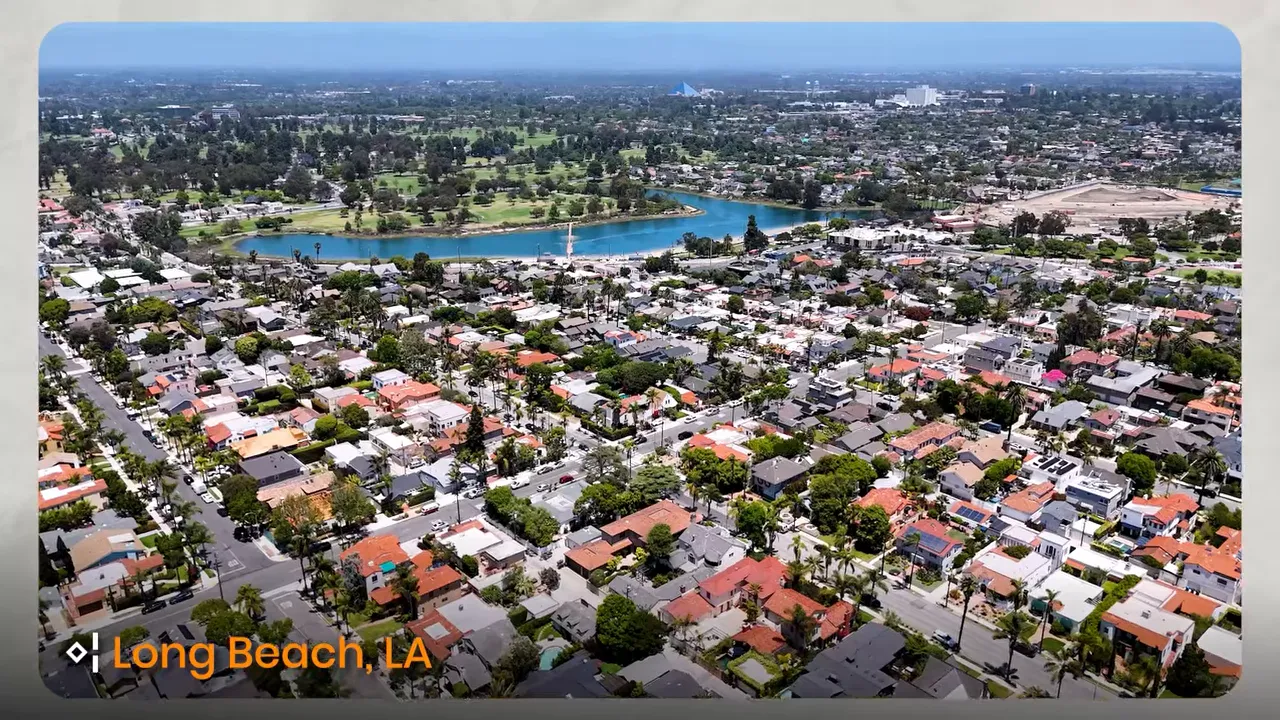
- Long Beach Real Estate And Infrastructure Growth
- Long Beach Olympics And Real Estate Growth
- Coastal Los Angeles Real Estate Outlook Through 2029
- Pier Wind And Long Beach Real Estate Growth
- Los Angeles Real Estate Opportunities By Neighborhood
- FAQs About Los Angeles Real Estate Market
Los Angeles Real Estate Market Trends And Prices
The first thing to get straight is that the South Bay is not one market. It never has been. The gap between coastal luxury, inland value pockets, and Long Beach entry points is particularly pronounced right now.
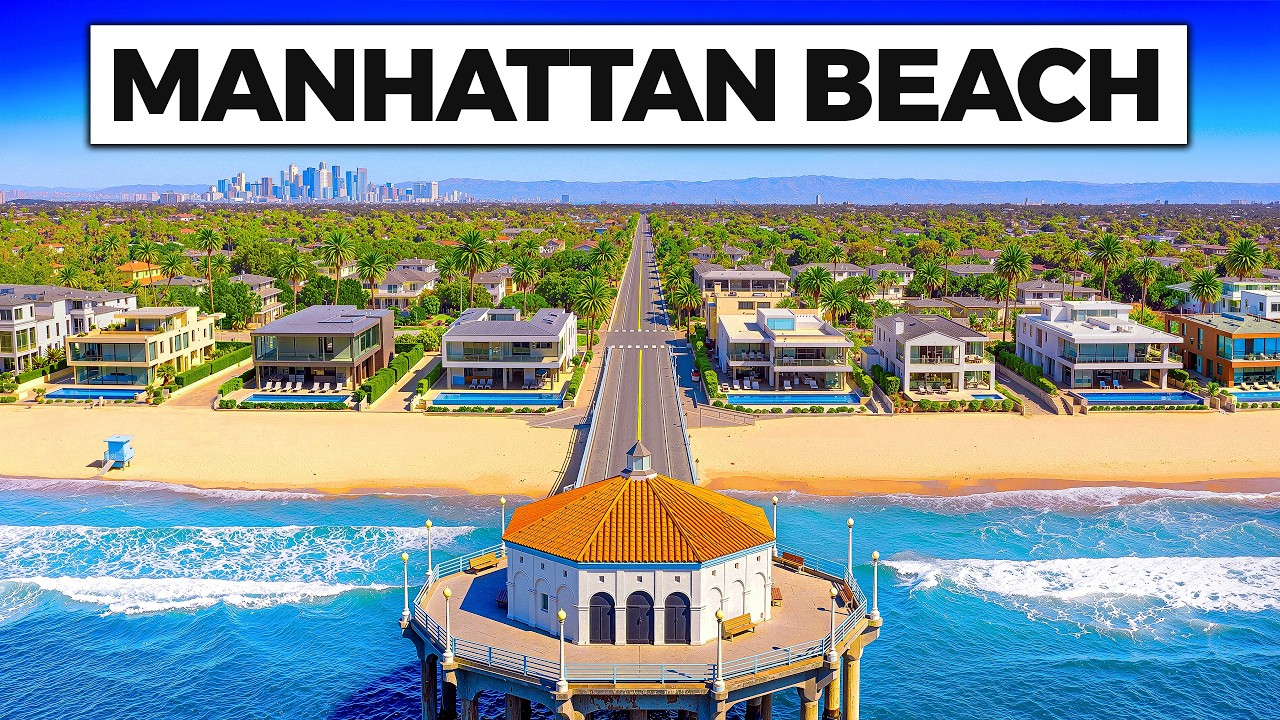
- Manhattan Beach: The median home price reached about $3.7 million over the three months ending May 2026, nearly 22% higher year over year. A record $181.7 million worth of homes went into escrow in January 2025, a remarkable illustration of demand at the upper end.
- Hermosa Beach: The median rose nearly 7% to just over $2.4 million. Slightly lower sales activity does not automatically mean weaker demand here. Tight inventory limits how many transactions can actually happen.
- Redondo Beach: Sales volume rose nearly 12% in 2025, the biggest increase in the South Bay, while the median climbed 4.8% to almost $1.6 million.
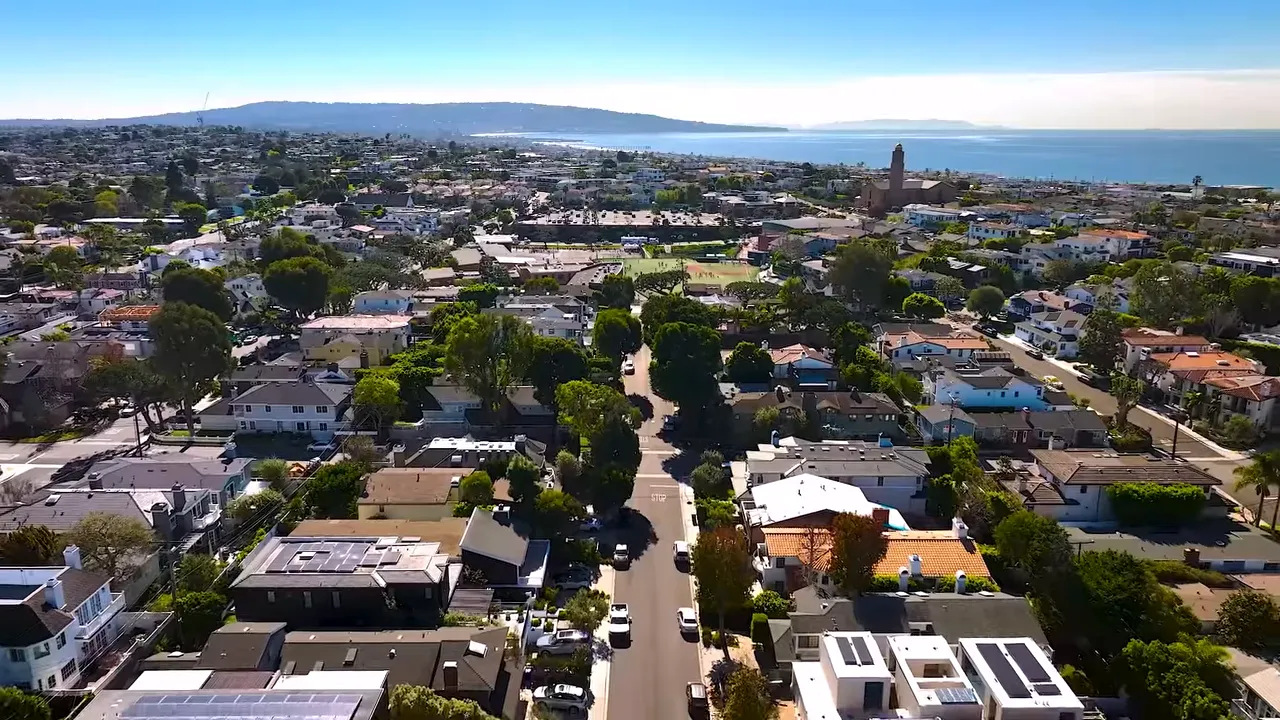
- Torrance: The citywide median was approximately $1.2 million in March 2026, down 6% year over year. But South and West Torrance, in ZIP code 90505, told the opposite story, with a 6.3% increase to roughly $1.5 million.
- Long Beach: At just over $900,000 in March 2026, Long Beach remained the more accessible coastal entry point, with prices up 3.7% year over year.
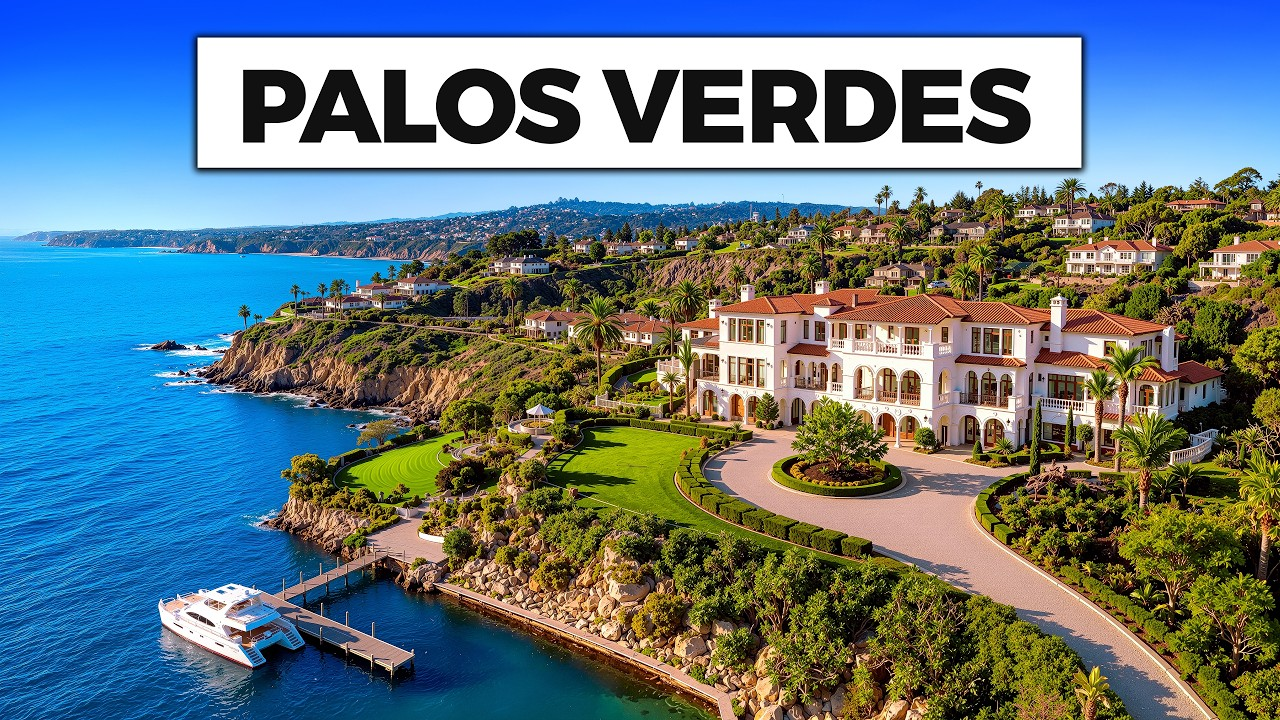
- Palos Verdes Peninsula: Rolling Hills Estates rose 7.9%, Rancho Palos Verdes was up 0.8%, and Palos Verdes Estates saw a lower median despite more completed sales. In a market with very limited inventory, that can be a reset rather than a permanent loss of demand.
Across the region, the South Bay median sits just below $2 million. Homes below $2 million have more room for negotiation than they did previously. The $2 million to $6 million range is steadier, while homes above $6 million remain governed by scarcity. In the Los Angeles real estate market, budget does not merely change the house you can buy. It changes the market conditions you are entering.
Torrance Real Estate And South Bay Development
The biggest lesson with major development is simple: by the time a project is visually obvious, much of the price discovery has already begun. Smart buyers follow the approvals, funding decisions, environmental reports, and route selections that come years before construction activity.
The Metro K Line extension to Torrance is the clearest example. On January 22, 2026, the Metro Board certified the final environmental impact report and approved the project. This is no longer a vague proposal. The approved alignment will add 4.5 miles of light rail, running along portions of the 405 Freeway, Hawthorne Boulevard, and Metro-owned right-of-way, with two new stations and a terminus at the Torrance Transit Center.
For Torrance, this creates a direct light rail link to LAX, the Metro C Line, and the Metro E Line. That matters for commuters tired of the 405, but it also matters for remote workers who fly regularly and want a more usable airport connection. Construction is expected to start in 2027, with completion projected around 2036. Yes, that is a long runway. But areas around the two future stations can begin repricing years before the first train arrives.
This is precisely why South Bay Los Angeles developments should be assessed at the pocket level. The 90505 example makes the point beautifully. A citywide number can hide a premium neighborhood that is moving in the complete opposite direction.
Long Beach Real Estate And Infrastructure Growth
Long Beach is building the broadest infrastructure story in this coastal corridor. Elevate 28 began as a $533 million plan and has expanded into more than $1 billion in committed investment. It includes more than $300 million from the city’s Measure A fund and approximately $780 million from regional, state, and federal sources.
More than 180 individual projects are in the pipeline, spanning roads, parks, waterfront areas, public facilities, and major corridors. In fiscal year 2026 alone, the program added more than $156 million in new investment. This is the largest infrastructure program in the city’s history, and that matters because infrastructure is not a one-weekend event. It changes daily life, accessibility, and how an area feels to live in.
Long Beach has also approved approximately 5,000 housing units currently under construction, its largest three-year stretch of development since the 1980s. One early visible sign is JPI’s Portico project in downtown Long Beach, which broke ground in January 2026. The project is planned to deliver 272 apartments and nearly 19,000 square feet of ground-floor retail by mid-2028.
Studios through three-bedroom units, retail, a rooftop deck, pool deck, golf simulator, and other amenities are designed to bring a different resident profile into the surrounding blocks. The point is not that every new apartment instantly transforms a neighborhood. The point is that repeated public and private investment compounds. That is the piece too many people miss when judging the Los Angeles real estate market only from a single month of sales data.
Atlantic Avenue is another key project. Its complete-street and pedestrian-safety improvements extend from Ocean Boulevard to the 405 Freeway, strengthening one of Long Beach’s most important residential and commercial spines.
|
Long Beach Olympics And Real Estate Growth
The 2028 Olympics will put Long Beach on a global stage, but it would be a mistake to assume the property impact starts at the opening ceremony. The bigger changes occur before the event and continue after it. Think of 2028 as a milestone, not a finish line.
Long Beach will host 11 Olympic sporting events across seven venues, plus seven Paralympic events. Marine Stadium, which hosted rowing in the 1932 Olympics, will return as a major venue nearly a century later.
The city’s local investment plan totals $758 million, including almost $200 million allocated to legacy projects. This is what makes the difference. Parks, public spaces, waterfront upgrades, transit links, and corridor improvements do not disappear after the athletes leave. They remain part of the city for decades.
The new Belmont Pier is one of the most tangible examples. The original pier has been closed for years. The replacement design honors the much-loved old Rainbow Pier and is estimated at more than $86 million, with completion targeted for June 2028 ahead of Olympic sailing events.
For the Los Angeles real estate market, the neighborhoods most likely to feel this momentum were already desirable before the announcements: Belmont Shore, Naples Island, Alamitos Heights, and downtown Long Beach. Olympic attention may be temporary. Permanent public-realm improvements and a stronger residential base are the longer game.
Coastal Los Angeles Real Estate Outlook Through 2029
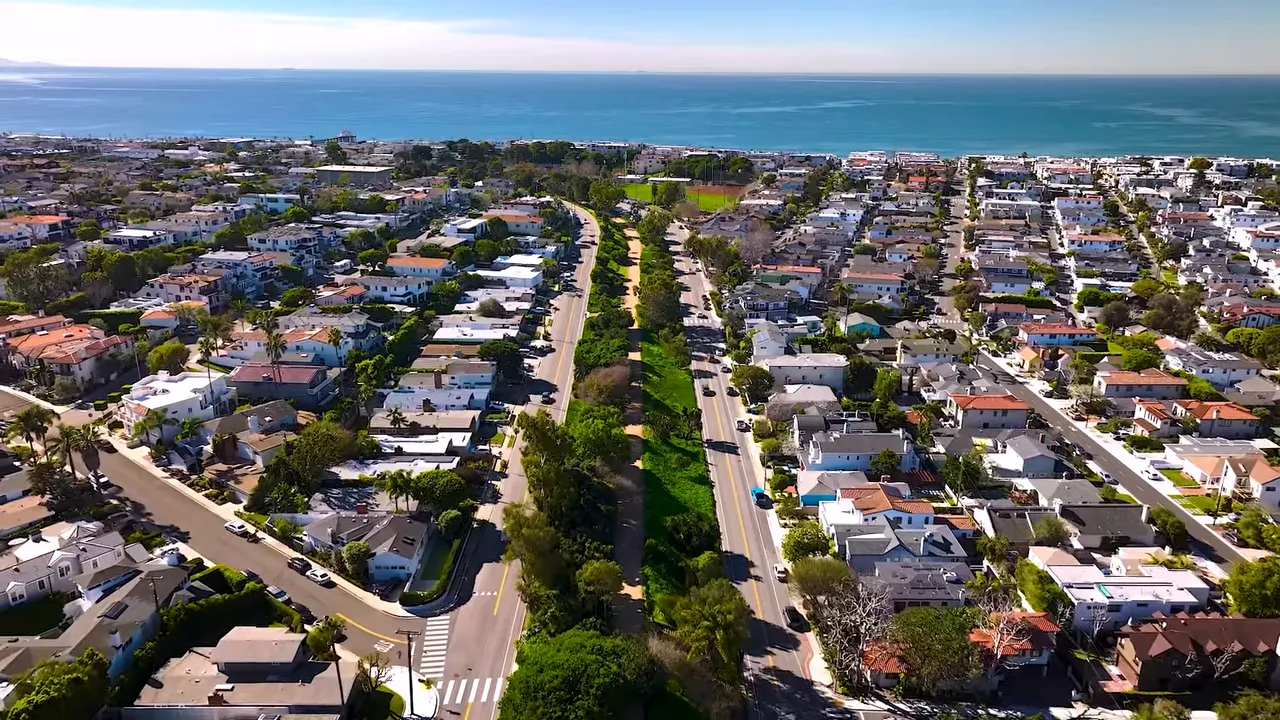
By 2029, the question will shift from “What is being built?” to “Did the market give back its gains once the event excitement faded?” The historical answer in prime coastal neighborhoods is instructive. During prior downturns, areas such as Manhattan Beach’s Hill Section and Sand Section, along with premier Redondo Beach pockets, held value better than many other LA submarkets.
That is not just sentiment. There is a finite amount of land between the Pacific Ocean and the rest of Los Angeles. Supply in these locations cannot simply be manufactured at scale.
Long Beach enters a legacy phase after the Games rather than an empty post-event phase. Elevate 28 projects remain. Waterfront improvements remain. Parks, mixed-use districts, and transportation upgrades remain. This is why it is too simplistic to view Olympic investment as mere hype.
Near-term forecasts referenced for Manhattan Beach point to roughly 4% to 5% annual appreciation, with continued demand in the Tree Section and Sand Section. Palos Verdes Estates is forecast in the 4% to 6% range for luxury appreciation. Torrance, meanwhile, is attracting high-income relocation demand from within Southern California and from metros including San Francisco, Boston, and Seattle.
That relative value matters. For buyers coming from expensive coastal metros, many Torrance pockets still offer meaningful value below $1.5 million. The Los Angeles real estate market is therefore being shaped by both local scarcity and buyer migration from higher-priced locations.
Pier Wind And Long Beach Real Estate Growth
Pier Wind is the project that could change the South Bay and Long Beach economy for a generation. The Port of Long Beach is proposing a $4.7 billion, 400-acre terminal dedicated to assembling and deploying floating offshore wind turbines.
These are not small installations. The turbines assembled at the port would stand as tall as the Eiffel Tower before being towed to lease areas 20 to 30 miles off the California coast. Coastal homeowners should not expect visible offshore turbines from the shoreline because the proposed wind lease areas are far out at sea.
A preliminary economic impact report projects that Pier Wind could create more than 6,000 jobs, generate $8 billion in labor income, produce $14 billion in total economic output, and contribute $1.3 billion in state and local taxes by 2045. Construction is expected to start in 2027, while the first 200 acres are projected to be operational by 2031.
There is a genuine federal policy headwind. Federal offshore wind permitting was suspended in late 2025, affecting some projects. But California maintains its own legislative pathway for onshore facility work, state funding is secured, and the Port of Long Beach has experience navigating complex policy conditions. The important distinction is that the onshore facility is not simply an idea awaiting a first conversation.
For the Los Angeles real estate market, a large specialized employment anchor creates a much wider ripple effect. Engineers, project managers, logistics professionals, and supply-chain businesses need places to live. Those households support schools, restaurants, retail, and a deeper local economy. Long Beach, San Pedro, Torrance, and the Palos Verdes Peninsula all have different reasons to benefit.
Los Angeles Real Estate Opportunities By Neighborhood
The real takeaway is not that every house along the coast will rise at the same rate. It will not. The takeaway is that several long-term inputs are aligning at once: transit in Torrance, major infrastructure and housing investment in Long Beach, Olympic legacy projects, constrained coastal supply, and a potentially significant new employment base at the port.
The Los Angeles real estate market rewards specificity. Buying in the wrong Long Beach pocket while another nearby corridor receives major legacy investment can mean paying the same money for a weaker growth runway. Ignoring the difference between Torrance ZIP codes can create the same problem.
When assessing South Bay Los Angeles developments, focus on these practical questions:
- How close is the property to a funded transit route, upgraded corridor, waterfront amenity, or employment center?
- Is the investment temporary, or does it create a permanent improvement to daily life?
- What is the current supply constraint in that specific neighborhood?
- Which buyer pool is likely to care most about the improvement: commuters, airport users, luxury buyers, families, or port-related professionals?
- Does the property sit in a location already in demand, or does it rely entirely on a future promise?
The market moves over 10 to 15 years through a series of compounding decisions, not one headline or one big event. Manhattan Beach has already shown what sustained demand and constrained supply can do. Long Beach is moving from overlooked to heavily subscribed in select pockets. Torrance is increasingly a transit and relative-value conversation. Palos Verdes remains at the top of the South Bay value stack when the surrounding employment base expands.
That is the opportunity in the Los Angeles real estate market between now and 2030. It is not about chasing cranes. It is about understanding the decisions that are already changing the map.
FAQs About Los Angeles Real Estate Market
Which South Bay areas are seeing the strongest current price momentum?
Manhattan Beach has shown the strongest recent price growth, while Hermosa Beach and Redondo Beach have also remained resilient. Torrance is more fragmented, with South and West Torrance outperforming the citywide trend.
How could the K Line extension affect Torrance real estate?
The approved extension will add two stations and connect Torrance to LAX and the broader Metro network. Construction is expected to begin in 2027, but station-area price discovery can occur well before rail service begins.
Why are South Bay Los Angeles developments important for buyers?
Large transit, infrastructure, housing, and employment projects do not affect every neighborhood equally. Understanding which pockets receive lasting improvements can help buyers judge long-term livability and potential demand more accurately.
Will the 2028 Olympics only create a short-term boost in Long Beach?
The Games are a major milestone, but Long Beach’s plan includes substantial permanent legacy investment in parks, waterfront areas, public spaces, and corridors. Those improvements are designed to remain after the event.
What is Pier Wind and why does it matter for Long Beach real estate?
Pier Wind is a proposed $4.7 billion offshore wind assembly terminal at the Port of Long Beach. If it advances as projected, its specialized jobs and supply-chain activity could create a substantial long-term employment anchor for Long Beach and nearby South Bay communities.
Thinking about buying in the South Bay or coastal Los Angeles and want to understand which neighborhoods may benefit from upcoming transit, infrastructure, and development? Call or text me at 323-350-5770 or book a FREE consultation here to get personalized guidance on the areas and opportunities that best fit your goals.
READ MORE: How to Choose the Best South Bay Los Angeles Neighborhood